- For appointment (+91) 97904 97905
Best General Surgery Hospital Near Urapakkam
Expert Surgical Care with Advanced Techniques for Faster Recovery
General surgery plays an essential role in diagnosing and treating a wide range of medical conditions that require surgical intervention. From common problems such as hernias, appendicitis, gallbladder disease, and thyroid disorders to soft tissue swellings and emergency surgical conditions, timely surgical care can prevent complications and improve long-term health outcomes.
Advances in modern surgical techniques have transformed patient care. Many procedures that once required large incisions and prolonged hospital stays can now be performed using minimally invasive techniques, allowing patients to experience smaller scars, less pain, shorter hospitalisation, and faster recovery. Choosing the right surgical team and receiving timely treatment are important steps towards achieving the best possible outcome.
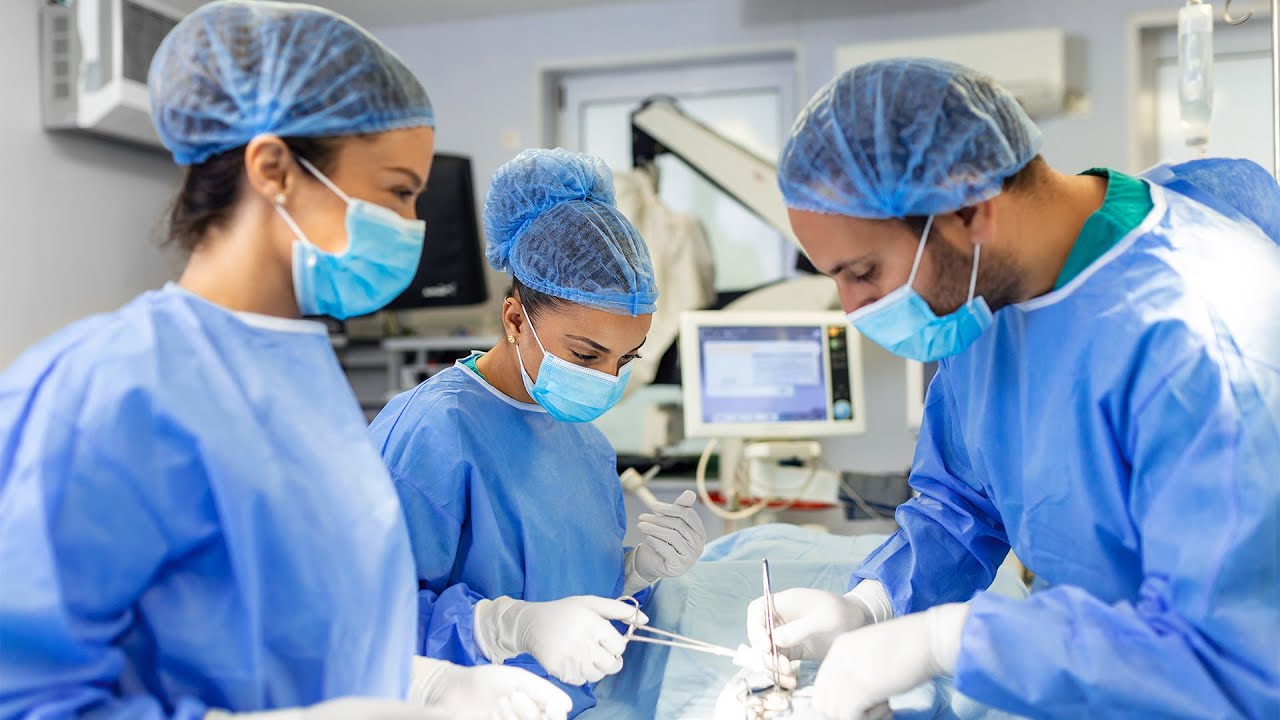
At Deepam Hospitals near Urapakkam, our Department of General Surgery provides comprehensive evaluation, diagnosis, surgical treatment, and postoperative care for a broad spectrum of conditions affecting the abdomen, digestive system, thyroid, breast, skin, and soft tissues. Every patient receives an individualised treatment plan based on their medical condition, overall health, and personal recovery goals.
Our experienced surgical team is committed to delivering safe, evidence-based care using modern surgical practices and patient-centred treatment. Whether surgery is planned or required as an emergency, our focus remains on accurate diagnosis, effective treatment, patient safety, and smooth recovery.
Deepam Hospitals is a trusted multispeciality healthcare network with hospitals in Tambaram, Guduvanchery, and Singaperumal Koil (SP Koil), supported by healthcare centres in Urapakkam, Perungalathur, and Maraimalai Nagar. Patients from Kilambakkam, Vandalur, Guduvanchery, Mannivakkam, Mudichur, West Tambaram, and surrounding communities choose us for expert surgical care delivered with compassion, advanced technology, and clinical excellence close to home.
Whether you require treatment for a hernia, gallbladder stones, appendicitis, thyroid disease, breast lump, skin swelling, or another surgical condition, our goal is to provide timely diagnosis, safe surgery, and comprehensive postoperative support that helps you return to your normal activities with confidence.
Deepam Hospitals near Urapakkam offers comprehensive General Surgery services, including hernia surgery, gallbladder surgery, appendix surgery, thyroid surgery, breast surgery, laparoscopic procedures, soft tissue surgery, and emergency surgical care. Our personalised treatment approach combines modern surgical techniques, patient safety, and compassionate care to promote faster recovery and improved health outcomes.
Quick Answers at a Glance
What is General Surgery?
General Surgery is a medical specialty that diagnoses and treats a wide range of conditions affecting the abdomen, digestive tract, breast, thyroid, skin, and soft tissues through surgical procedures.
When should I consult a General Surgeon?
You should consult a General Surgeon if you have persistent abdominal pain, a hernia, gallstones, appendicitis symptoms, breast lumps, thyroid swelling, recurrent infections, or any condition that may require surgical evaluation.
What is laparoscopic surgery?
Laparoscopic surgery is a minimally invasive surgical technique performed through small incisions using specialised instruments and a camera, often resulting in faster recovery and reduced postoperative discomfort.
Is surgery always necessary?
No. Some conditions can be managed with medication or observation. Surgery is recommended only when it offers the safest and most effective treatment for your condition.
How long does recovery take after surgery?
Recovery varies depending on the type of procedure, your overall health, and the surgical approach used. Many patients undergoing minimally invasive surgery recover more quickly than those having traditional open procedures.
Are laparoscopic procedures safe?
Yes. For suitable patients, laparoscopic surgery is a well-established and safe technique performed worldwide, offering several advantages when clinically appropriate.
Key Takeaways
- Comprehensive Surgical Evaluation
- Hernia & Abdominal Wall Surgery
- Gallbladder & Appendix Surgery
- Thyroid & Breast Surgery
- Laparoscopic (Minimally Invasive) Surgery
- Soft Tissue & Skin Lump Surgery
- Emergency Surgical Care
- Safe & Personalised Treatment Plans
- Faster Recovery Focus
- Multidisciplinary Surgical Support
Why Choose Deepam Hospitals for General Surgery?
Choosing the right hospital for surgery is about more than the procedure itself. It involves careful diagnosis, thorough preparation, skilled surgical care, effective pain management, and structured recovery support. At Deepam Hospitals, we provide comprehensive surgical services designed to ensure patient safety, comfort, and the best possible outcomes.
Why Patients Choose Our General Surgery Department
- Comprehensive Surgical Assessment
- Modern Surgical Techniques
- Minimally Invasive Laparoscopic Procedures
- Individualised Surgical Planning
- Advanced Operation Theatre Facilities
- Focus on Patient Safety
- Coordinated Multispeciality Support
- Compassionate Pre- and Postoperative Care
- Faster Recovery Protocols
- Convenient Surgical Care Near Urapakkam
Understanding General Surgery
General Surgery is one of the most comprehensive surgical specialties, managing conditions that affect multiple organs and body systems. General surgeons are trained to evaluate, diagnose, and treat diseases involving the digestive system, abdominal organs, thyroid, breast, skin, and soft tissues. They also play a vital role in managing emergency surgical conditions that require immediate attention.
Modern general surgery combines clinical expertise with advanced surgical technology to improve precision and reduce recovery time. Whenever appropriate, minimally invasive techniques are used to minimise tissue damage, reduce postoperative pain, shorten hospital stays, and help patients return to their normal routines sooner.
In addition to performing surgery, general surgeons work closely with physicians, radiologists, anaesthesiologists, physiotherapists, and other specialists to ensure coordinated care before, during, and after the procedure.
Did You Know?
- Many common abdominal conditions can now be treated using minimally invasive laparoscopic surgery.
- Early treatment of appendicitis can help prevent rupture and serious complications.
- Hernias do not heal on their own and may gradually increase in size if left untreated.
- Gallstones may remain symptom-free for years but can suddenly cause severe pain or infection.
- Most soft tissue lumps are non-cancerous, but persistent or growing swellings should always be medically evaluated.
- Proper postoperative care plays an important role in reducing complications and supporting faster healing. comes.
When Should You Consult a General Surgeon?
Early surgical evaluation helps identify conditions before complications develop and ensures that treatment is provided at the right time.
You should consult a General Surgeon if you experience:
- Persistent abdominal pain
- A visible or painful hernia
- Gallbladder stone symptoms
- Sudden pain in the lower right abdomen
- Recurrent abdominal swelling
- Thyroid enlargement
- Breast lump requiring evaluation
- Persistent skin or soft tissue swelling
- Recurrent abscesses
- Non-healing wounds requiring surgical care
- Difficulty swallowing due to thyroid enlargement
- Any condition your physician recommends for surgical evaluation
Seeking timely consultation allows appropriate diagnosis, personalised treatment planning, and better surgical outcomes.
Our Commitment to Safe Surgical Care
At Deepam Hospitals, we believe surgery should be guided by precision, safety, and compassion. Every patient receives personalised attention from the first consultation through recovery, with treatment plans tailored to individual medical needs.
Our commitment extends beyond the operating room. We focus on patient education, careful surgical planning, effective postoperative care, and long-term follow-up to promote faster healing, restore function, and help patients return to their everyday lives with confidence.
Related Services
Our General Surgery Department works closely with:
- Gastroenterology
- Emergency & Trauma Care
- Anaesthesiology
- Diagnostic & Radiology
- Medical Oncology
- Endocrinology & Diabetology
- Nutrition & Dietetics
- Rehabilitation Medicine & Physiotherapy
- Family Medicine
This multidisciplinary collaboration ensures comprehensive evaluation, accurate diagnosis, safe surgery, and coordinated postoperative care for every patient.
What is General Surgery?
General Surgery is a broad surgical specialty that focuses on diagnosing and treating a wide variety of diseases affecting the abdomen, digestive system, endocrine organs, breast, skin, soft tissues, and abdominal wall. General surgeons are trained to perform both planned (elective) and emergency surgical procedures while ensuring patient safety throughout every stage of treatment.
Although the name suggests "general," modern General Surgery is a highly specialised field that combines clinical expertise, advanced surgical techniques, and comprehensive patient care. General surgeons not only perform operations but also evaluate patients before surgery, manage postoperative recovery, and coordinate care with other medical specialists when required.
The goal of General Surgery is to treat disease effectively while helping patients recover safely, return to normal activities, and maintain long-term health.
Conditions Commonly Managed by General Surgeons
General surgeons diagnose and treat a wide range of medical conditions involving different parts of the body.
Common conditions include:
- Hernias
- Gallbladder stones
- Appendicitis
- Thyroid disorders requiring surgery
- Breast lumps
- Soft tissue swellings
- Lipomas
- Sebaceous cysts
- Abscesses
- Skin infections requiring surgical drainage
- Gastrointestinal surgical conditions
- Non-healing wounds
- Certain emergency abdominal conditions
Each condition requires careful evaluation to determine whether surgery is the most appropriate treatment option.
Elective Surgery vs Emergency Surgery
Not all surgical procedures are performed under emergency circumstances. Understanding the difference helps patients know when immediate medical attention is required.
Elective Surgery
Elective surgery is planned in advance after careful clinical evaluation. Although these procedures are not immediately life-threatening, delaying treatment for prolonged periods may increase the risk of complications.
Examples include:
- Hernia repair
- Gallbladder surgery for symptomatic stones
- Thyroid surgery
- Removal of benign soft tissue swellings
- Breast lump surgery
- Skin lesion excision
Elective procedures allow time for detailed planning, medical optimisation, and patient preparation.
Emergency Surgery
Emergency surgery is performed when immediate treatment is necessary to prevent serious complications or save life.
Conditions requiring urgent surgical care may include:
- Acute appendicitis
- Intestinal obstruction
- Strangulated hernia
- Severe abdominal infection
- Traumatic abdominal injuries
- Internal bleeding
- Certain perforations of the digestive tract
Prompt diagnosis and timely surgery significantly improve patient outcomes in emergency situations.
Open Surgery vs Laparoscopic Surgery
Modern General Surgery offers different surgical techniques depending on the patient's condition, overall health, and the complexity of the procedure.
Open Surgery
Open surgery involves making a larger incision to directly access the affected organ or tissue.
It may be recommended when:
- Complex surgery is required
- Extensive disease is present
- Emergency conditions limit minimally invasive approaches
- Better surgical exposure is necessary
Open surgery remains an important and highly effective option for many conditions.
Laparoscopic Surgery
Laparoscopic surgery, also known as keyhole surgery, is performed through several small incisions using specialised instruments and a high-definition camera.
For suitable patients, laparoscopic surgery may offer:
- Smaller incisions
- Less postoperative pain
- Reduced blood loss
- Shorter hospital stay
- Faster recovery
- Earlier return to daily activities
- Smaller scars
Not every condition can be treated laparoscopically, and the most appropriate surgical approach is determined after a comprehensive evaluation.
Benefits of Minimally Invasive Surgery
Advances in surgical technology have made minimally invasive procedures an important part of modern healthcare.
Potential advantages include:
- Reduced tissue injury
- Improved cosmetic outcomes
- Lower risk of wound complications
- Earlier mobilisation
- Shorter recovery period
- Faster return to work
- Reduced postoperative discomfort
- Greater patient satisfaction
The suitability of minimally invasive surgery depends on individual medical circumstances and clinical findings.
Common Symptoms That Should Never Be Ignored
Certain symptoms may indicate a surgical condition requiring prompt medical assessment.
Seek medical attention if you experience:
- Severe or persistent abdominal pain
- Sudden pain in the lower right abdomen
- Pain associated with fever
- Persistent vomiting
- Painful abdominal swelling
- A lump that increases in size
- Painful groin swelling
- Persistent breast lump
- Difficulty swallowing associated with neck swelling
- Persistent skin infections
- Recurrent abscess formation
- Non-healing wounds
- Blood in stools
- Unexplained weight loss with abdominal symptoms
Early diagnosis often leads to simpler treatment and better recovery.
Surgical Evaluation & Diagnosis
A detailed evaluation helps determine whether surgery is necessary and identifies the safest treatment approach for each patient.
Assessment may include:
- Complete medical history
- Physical examination
- Blood investigations
- Ultrasound examination
- X-rays
- CT scan or MRI when indicated
- Endoscopy (for selected gastrointestinal conditions)
- Anaesthesia fitness assessment before surgery
A comprehensive diagnostic approach ensures accurate treatment planning and minimises unnecessary procedures.
Factors That May Increase the Risk of Surgical Conditions
Several factors can contribute to the development of conditions that may eventually require surgical treatment.
Common risk factors include:
- Increasing age
- Obesity
- Smoking
- Heavy lifting
- Chronic constipation
- Previous abdominal surgery
- Family history of certain conditions
- Poor dietary habits
- Sedentary lifestyle
- Diabetes
- Chronic infections
Benefits
- Early diagnosis
- Timely treatment
- Better kidney protection
- Reduced complication risk
- Long-term kidney monitoring
Although some risk factors cannot be changed, adopting healthy lifestyle habits may reduce the likelihood of developing certain surgical conditions.
Understanding Surgical Safety
Patient safety is one of the most important aspects of modern surgery. Before recommending any procedure, the surgical team carefully evaluates the patient's overall health, medical history, medications, allergies, and potential risk factors.
Safe surgical care includes:
- Accurate diagnosis
- Appropriate preoperative investigations
- Careful surgical planning
- Infection prevention measures
- Safe anaesthesia practices
- Continuous monitoring during surgery
- Structured postoperative care
- Regular follow-up after discharge
These steps help reduce complications and support a smoother recovery.
General Surgery Assessment Snapshot
Purpose
To accurately diagnose the surgical condition, assess overall health, determine whether surgery is required, and develop an individualised treatment plan.
Assessment May Include
- Medical history review
- Physical examination
- Laboratory investigations
- Diagnostic imaging
- Surgical risk assessment
- Anaesthesia evaluation
- Personalised surgical planning
Benefits
- Early diagnosis
- Appropriate treatment selection
- Improved patient safety
- Better surgical outcomes
- Faster recovery planning
Common Symptoms & Possible Surgical Conditions
| Symptom | Possible Surgical Condition |
|---|---|
| Groin swelling | Hernia |
| Right upper abdominal pain | Gallbladder stones |
| Lower right abdominal pain | Appendicitis |
| Neck swelling | Thyroid disorder |
| Breast lump | Benign or malignant breast disease |
| Painful skin swelling | Abscess or infected cyst |
| Soft painless lump | Lipoma |
| Persistent wound | Chronic wound requiring surgical evaluation |
Why Early Surgical Evaluation Matters
Many surgical conditions develop gradually and may initially cause only mild symptoms. Ignoring persistent pain, swelling, or other warning signs can allow the condition to worsen, increasing the risk of complications and making treatment more complex.
Early surgical evaluation offers several important advantages:
- Identifies problems before complications occur
- Allows timely treatment planning
- May reduce the need for emergency surgery
- Improves surgical safety
- Supports minimally invasive treatment when appropriate
- Promotes faster recovery
- Reduces hospital stay
- Improves long-term health outcomes
Seeking medical advice as soon as symptoms appear helps ensure that patients receive the right treatment at the right time, leading to safer procedures and better recovery.
Comprehensive Surgical Evaluation
Every successful surgical treatment begins with an accurate diagnosis and careful planning. Before recommending surgery, our General Surgery team performs a detailed clinical assessment to understand the patient's symptoms, medical history, lifestyle, previous surgeries, and overall health.
At Deepam Hospitals, we believe that every patient deserves an individualised treatment plan rather than a one-size-fits-all approach. Our surgeons carefully evaluate whether surgery is necessary, determine the most suitable surgical technique, and explain the expected outcomes, possible risks, and recovery process.
Your surgical evaluation may include:
- Detailed medical history
- Physical examination
- Assessment of symptoms
- Review of previous medical conditions
- Blood investigations
- Diagnostic imaging when required
- Anaesthesia fitness evaluation
- Personalised surgical planning
This comprehensive approach helps ensure safe treatment, minimise surgical risks, and improve recovery outcomes.
Hernia Evaluation & Surgical Treatment
A hernia develops when an internal organ or tissue pushes through a weakened area of the surrounding muscle or abdominal wall. Hernias often appear as a swelling or bulge and may become more noticeable while standing, coughing, or lifting heavy objects.
Common types include:
- Inguinal hernia
- Femoral hernia
- Umbilical hernia
- Incisional hernia
- Epigastric hernia
While some hernias may initially cause only mild discomfort, they generally do not heal on their own and may gradually increase in size over time.
Our hernia care includes:
- Clinical diagnosis
- Assessment of hernia type and size
- Surgical treatment planning
- Open or laparoscopic repair when appropriate
- Postoperative follow-up
- Recovery guidance
Timely hernia surgery helps prevent complications such as incarceration or strangulation and allows patients to return to normal activities safely.
Hernia Care Snapshot
Common Symptoms
- Visible swelling
- Groin discomfort
- Pain while lifting
- Heaviness in the abdomen
- Swelling that increases with coughing
Treatment Goals
- Repair the abdominal wall
- Relieve discomfort
- Prevent complications
- Restore normal activity
- Reduce recurrence risk
Gallbladder Disease & Gallbladder Surgery
The gallbladder stores bile, which helps digest fats. Gallstones may develop when substances within bile become imbalanced, leading to stone formation. While some gallstones remain symptom-free, others can cause pain, inflammation, or infection.
Common symptoms include:
- Pain in the upper right abdomen
- Pain after fatty meals
- Nausea
- Vomiting
- Indigestion
- Pain radiating to the shoulder or back
Our General Surgery Department provides comprehensive evaluation and management for gallbladder conditions.
Treatment includes:
- Clinical assessment
- Imaging review
- Surgical planning
- Laparoscopic gallbladder surgery when appropriate
- Postoperative monitoring
- Lifestyle guidance following surgery
Early treatment reduces the risk of recurrent attacks and serious complications.
Appendix Surgery (Appendicitis)
Appendicitis occurs when the appendix becomes inflamed and infected. It is one of the most common emergency surgical conditions and requires prompt medical evaluation.
Typical symptoms include:
- Pain beginning around the navel
- Pain moving to the lower right abdomen
- Fever
- Nausea
- Loss of appetite
- Vomiting
Without timely treatment, the appendix may rupture, increasing the risk of severe abdominal infection.
Our team provides:
- Emergency surgical evaluation
- Accurate diagnosis
- Timely appendectomy
- Postoperative care
- Recovery monitoring
Prompt treatment helps ensure faster recovery and reduces complications.
Thyroid Surgery
Certain thyroid disorders require surgical treatment when enlargement, nodules, or other abnormalities affect health or quality of life.
Patients may require evaluation for:
- Thyroid swelling
- Thyroid nodules
- Enlarged thyroid gland
- Suspicious thyroid growths
- Hyperfunctioning thyroid disease in selected cases
Our thyroid surgery services include:
- Clinical assessment
- Imaging review
- Surgical planning
- Safe operative care
- Long-term follow-up
Treatment is personalised according to the nature of the thyroid condition and the patient's overall health.
Thyroid Care Snapshot
Reasons for Surgical Evaluation
- Enlarging thyroid swelling
- Difficulty swallowing
- Neck discomfort
- Thyroid nodules
- Suspicious imaging findings
Goals of Treatment
- Remove abnormal thyroid tissue
- Relieve symptoms
- Preserve healthy function where possible
- Improve long-term health
Breast Lump Evaluation & Surgery
Not every breast lump is cancerous, but every persistent breast lump should be medically assessed. Early evaluation allows accurate diagnosis and appropriate treatment while reducing unnecessary anxiety.
Our General Surgery team evaluates:
- Benign breast lumps
- Breast cysts
- Fibroadenomas
- Suspicious breast masses
- Recurrent breast infections
Evaluation may include clinical examination, imaging, and further investigations when required.
Treatment focuses on:
- Accurate diagnosis
- Individualised surgical planning
- Safe removal when indicated
- Postoperative monitoring
- Referral for multidisciplinary care if necessary
Soft Tissue & Skin Lump Surgery
Soft tissue swellings are common and may include lipomas, sebaceous cysts, benign skin growths, and other superficial lumps.
Although many are harmless, persistent, enlarging, painful, or infected swellings should be evaluated by a General Surgeon.
Common conditions include:
- Lipomas
- Sebaceous cysts
- Skin nodules
- Benign soft tissue masses
- Recurrent cysts
Treatment may involve:
- Clinical evaluation
- Minor surgical removal
- Histopathological examination when indicated
- Wound care
- Follow-up
Abscess & Surgical Infection Management
An abscess is a collection of pus caused by bacterial infection. It often presents with pain, swelling, redness, warmth, and sometimes fever.
Prompt treatment is important to prevent the spread of infection.
Our services include:
- Clinical assessment
- Drainage procedures when required
- Infection management
- Wound care
- Follow-up monitoring
Early intervention promotes faster healing and reduces complication
Minor Surgical Procedures
Many conditions can be treated safely through planned day-care or minor surgical procedures without prolonged hospitalisation.
Our department performs evaluation and management for:
- Skin lesion removal
- Nail procedures
- Small cyst removal
- Lipoma excision
- Abscess drainage
- Minor wound procedures
- Soft tissue biopsies
Each procedure is performed with careful attention to patient comfort, safety, and optimal healing.
Personalised Surgical Planning
Every patient is unique, and every surgical decision should reflect individual medical needs.
Before surgery, our team considers:
- Diagnosis
- Severity of disease
- Age
- Overall health
- Previous surgeries
- Existing medical conditions
- Lifestyle
- Recovery expectations
This personalised approach helps ensure safe surgery, appropriate treatment selection, and improved long-term outcomes.
Conditions Commonly Managed
Our General Surgery Department provides expert evaluation and treatment for a wide range of conditions, including:
- Hernias
- Gallstones
- Appendicitis
- Thyroid disorders
- Breast lumps
- Lipomas
- Sebaceous cysts
- Abscesses
- Soft tissue swellings
- Skin lesions
- Minor surgical conditions
- Selected gastrointestinal surgical disorders
Each patient receives comprehensive care focused on safe treatment, effective recovery, and long-term wellbeing.
Did You Know?
Many common surgical conditions, such as hernias, gallstones, and soft tissue swellings, can often be treated before they become emergencies. Early consultation allows surgeons to plan the safest procedure, choose the most appropriate surgical approach, and help patients recover more quickly with fewer complications.
Advanced Laparoscopic (Keyhole) Surgery
Modern surgical technology has significantly improved the way many common surgical conditions are treated. One of the greatest advancements is laparoscopic surgery, also known as minimally invasive or keyhole surgery.
Instead of making a large incision, the surgeon performs the procedure through a few small openings using a high-definition camera and specialised surgical instruments. The camera provides a magnified view of the surgical area, allowing precise treatment while minimising damage to surrounding healthy tissues.
Depending on the patient's condition, laparoscopic surgery may be recommended for several abdominal and general surgical procedures.
Potential benefits include:
- Smaller incisions
- Reduced postoperative pain
- Minimal scarring
- Lower risk of wound infection
- Reduced blood loss
- Shorter hospital stay
- Faster return to normal activities
The choice between laparoscopic and open surgery depends on the patient's diagnosis, medical history, and overall health.
Preparing for Surgery
Good preparation is an important part of safe surgical care. Before the procedure, patients undergo a thorough assessment to ensure they are medically fit for surgery and anaesthesia.
Preparation may include:
- Review of medical history
- Physical examination
- Blood investigations
- Imaging review
- Medication assessment
- Anaesthesia consultation
- Discussion of the planned procedure
- Instructions regarding fasting before surgery
Patients are encouraged to discuss any existing medical conditions, allergies, medications, or previous surgical experiences with their healthcare team.
Proper preparation helps improve safety and supports a smoother recovery.
Surgical Preparation Snapshot
Before Surgery
- Complete recommended investigations
- Follow fasting instructions
- Inform your doctor about medications
- Stop smoking if advised
- Arrange transportation after discharge
- Ask questions about your procedure
Why Preparation Matters
- Improves patient safety
- Reduces surgical risks
- Supports faster recovery
- Helps prevent complications
Anaesthesia & Patient Safety
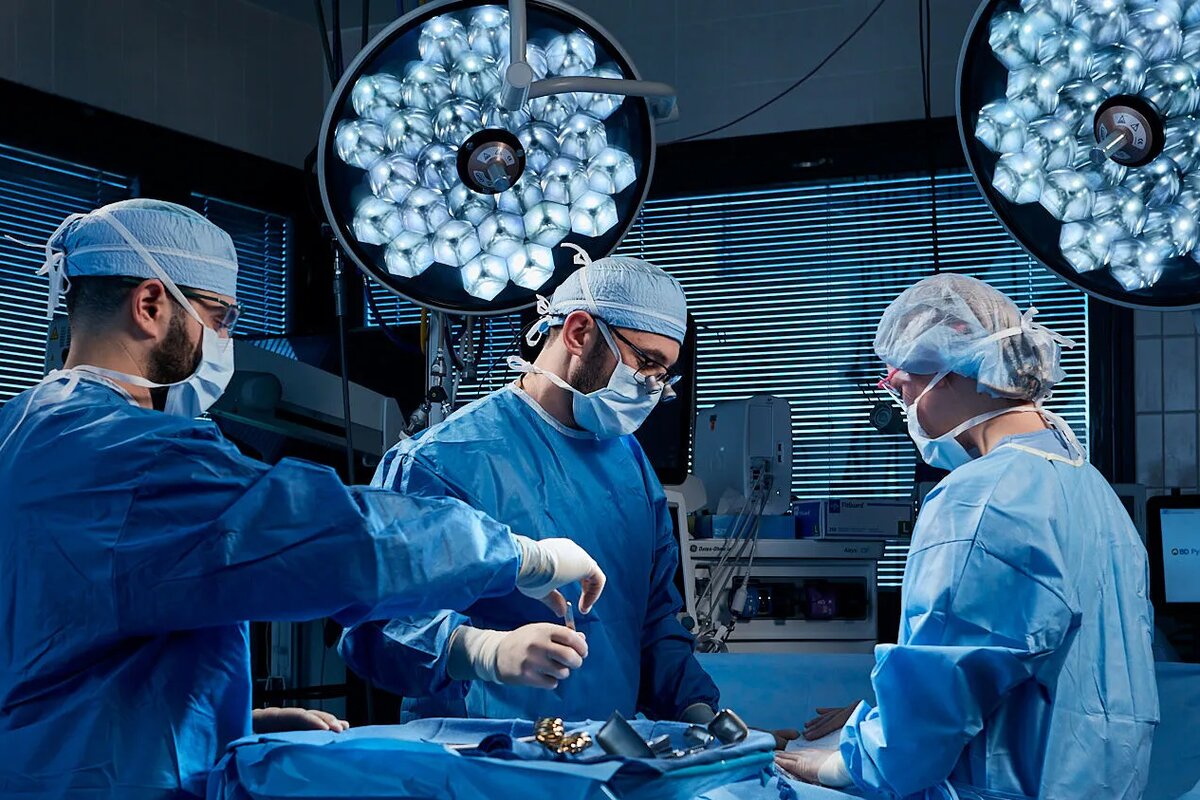
Many surgical procedures are performed under local, regional, or general anaesthesia depending on the type of operation and the patient's health status.
Before surgery, the anaesthesia team carefully evaluates:
- Medical history
- Current medications
- Allergies
- Previous anaesthesia experiences
- Heart and lung health
- Overall fitness for surgery
Throughout the procedure, patients are continuously monitored to ensure their safety. After surgery, the healthcare team closely observes recovery until the patient is stable and comfortable.
Postoperative Recovery & Hospital Care
Recovery begins immediately after surgery. During the initial postoperative period, the medical team monitors pain control, wound healing, mobility, and overall recovery.
Patients receive guidance regarding:
- Pain management
- Fluid intake
- Diet progression
- Walking and movement
- Medication schedules
- Activity restrictions
- Follow-up appointments
Recovery time varies depending on the type of surgery, the patient's overall health, and whether the procedure was performed using open or minimally invasive techniques.
Wound Care & Healing
Proper wound care is essential for preventing infection and promoting healthy healing.
Patients are advised to:
- Keep the wound clean and dry
- Follow dressing instructions carefully
- Take medications as prescribed
- Avoid unnecessary strain on the surgical area
- Watch for signs of infection
- Attend scheduled follow-up visits
Seek medical advice promptly if you notice:
- Increasing redness
- Swelling
- Persistent fever
- Wound discharge
- Severe pain
- Opening of the wound
Following postoperative instructions carefully can significantly improve healing and reduce complications.
Recovery Snapshot
Healthy Recovery Habits
- Walk as advised
- Stay hydrated
- Eat nutritious meals
- Rest adequately
- Avoid heavy lifting
- Complete prescribed medications
- Attend follow-up appointments
Benefits
- Faster healing
- Better mobility
- Lower infection risk
- Reduced complications
- Earlier return to daily life
Nutrition After Surgery
Good nutrition plays a vital role in tissue repair and recovery. A balanced diet helps the body heal more efficiently and supports immune function during the postoperative period.
Patients are generally encouraged to:
- Stay well hydrated
- Eat protein-rich foods
- Include fresh fruits and vegetables
- Consume fibre-rich foods when appropriate
- Follow dietary advice specific to the procedure
- Avoid alcohol and smoking during recovery
Nutritional recommendations may vary depending on the type of surgery performed and any existing medical conditions.
Rehabilitation & Returning to Daily Activities
Returning to everyday activities should be gradual and based on your surgeon's recommendations.
Recovery guidance may include:
- Gentle walking soon after surgery
- Gradual increase in physical activity
- Avoiding strenuous exercise initially
- Safe lifting techniques
- Returning to work when medically appropriate
- Individualised rehabilitation if required
Most patients are able to resume normal daily routines progressively as healing continues.
Preventing Surgical Complications
Although modern surgery is generally safe, following postoperative advice helps minimise potential complications.
Important preventive measures include:
- Taking medications correctly
- Following wound care instructions
- Maintaining good personal hygiene
- Staying physically active within recommended limits
- Avoiding tobacco use
- Managing chronic medical conditions
- Reporting unusual symptoms early
Timely follow-up allows the surgical team to detect and manage any concerns before they become serious.
Long-Term Surgical Follow-Up
Surgical care continues even after discharge from the hospital. Follow-up appointments allow your surgeon to monitor healing, evaluate recovery, and ensure the best long-term outcome.
During follow-up visits, your healthcare team may:
- Assess wound healing
- Remove stitches when required
- Review pathology reports, if applicable
- Discuss activity progression
- Address postoperative concerns
- Provide long-term health advice
Regular follow-up contributes to a safe recovery and helps patients return to their normal lifestyle with confidence.
Multidisciplinary Surgical Care
Successful surgical treatment often involves collaboration between several medical specialties. At Deepam Hospitals, our General Surgery Department works closely with a multidisciplinary team to provide comprehensive care before, during, and after surgery.
Depending on the patient's condition, care may involve:
- Anaesthesiology
- Gastroenterology
- Emergency & Trauma Care
- Diagnostic & Radiology
- Medical Oncology
- Endocrinology
- Nutrition & Dietetics
- Physiotherapy & Rehabilitation
- Intensive Care Services
This coordinated approach ensures that every patient receives safe, personalised, and holistic surgical care.
Did You Know?
Advances in modern surgical techniques, anaesthesia, infection prevention, and postoperative care have made many general surgical procedures safer than ever before. Careful preparation, experienced surgical teams, and structured recovery plans help improve patient outcomes, reduce hospital stays, and support a quicker return to everyday life.
Dr. B. Gunasekaran
Consultant – General Surgeon
At Deepam Hospitals near Urapakkam, our General Surgery Department is committed to delivering safe, precise, and patient-centred surgical care. Whether you require a planned procedure or emergency surgical treatment, our experienced surgeons focus on accurate diagnosis, evidence-based treatment, and comprehensive postoperative support to help you recover with confidence.
Dr. B. Gunasekaran specialises in the evaluation and surgical management of a wide range of general surgical conditions, including abdominal disorders, hernias, gallbladder diseases, thyroid conditions, breast disorders, soft tissue swellings, and emergency surgical cases. His patient-centred approach emphasises safety, precision, and personalised treatment planning.
Dr. Gunasekaran
Consultant – General Surgeon
Dr. Gunasekaran provides comprehensive surgical care for both elective and emergency conditions. With a focus on modern surgical techniques and evidence-based practices, he works closely with patients to ensure accurate diagnosis, safe surgical procedures, and structured recovery plans that support long-term wellbeing.
Your Surgical Journey at Deepam Hospitals
Every patient follows a carefully planned treatment pathway designed to ensure safety, comfort, and successful recovery.
Step 1 – Initial Surgical Consultation
Your consultation begins with a detailed discussion about your symptoms, medical history, previous treatments, and lifestyle. A physical examination and review of any previous reports help the surgeon understand your condition and determine the most appropriate next steps.
Step 2 – Diagnostic Evaluation
Depending on your condition, additional investigations may be recommended to confirm the diagnosis and support surgical planning.
These may include:
- Blood tests
- Ultrasound
- X-rays
- CT scan or MRI (if required)
- Other specialised investigations
The findings help determine whether surgery is required and which surgical technique is most suitable.
Step 3 – Personalised Surgical Planning
Once the diagnosis is confirmed, an individualised treatment plan is created.
The surgical team considers:
- Nature of the condition
- Severity of symptoms
- Overall health
- Existing medical conditions
- Previous surgeries
- Lifestyle and recovery expectations
Patients receive clear information about the procedure, expected benefits, possible risks, and postoperative care instructions before surgery.
Step 4 – Surgery & Immediate Recovery
On the day of surgery, the medical team ensures every stage of care follows established safety protocols. After the procedure, patients are closely monitored while recovering from anaesthesia.
The healthcare team provides:
- Pain management
- Wound care guidance
- Dietary advice
- Activity recommendations
- Discharge planning
- Follow-up scheduling
Step 5 – Follow-Up & Long-Term Recovery
Recovery continues after discharge. Follow-up appointments allow the surgeon to monitor wound healing, review progress, answer questions, and support a safe return to daily activities.
Patients are encouraged to attend all scheduled follow-up visits and report any unusual symptoms promptly.
Tips for a Smooth Recovery After Surgery
Healing is influenced not only by the procedure itself but also by how well patients follow postoperative advice.
Simple steps that support recovery include:
- Take medications exactly as prescribed
- Keep the surgical wound clean and dry
- Walk regularly as advised
- Avoid lifting heavy objects
- Stay hydrated
- Eat a nutritious, balanced diet
- Get adequate sleep
- Avoid smoking and alcohol during recovery
- Attend follow-up appointments
- Contact your healthcare provider if you notice unusual symptoms
Following these recommendations helps promote healing, reduce complications, and support an earlier return to normal activities.
Recovery Checklist
During Recovery
- Follow wound care instructions
- Take medications on time
- Eat healthy meals
- Stay physically active within advised limits
- Avoid strenuous activities
- Monitor for signs of infection
- Attend follow-up visits
Benefits
- Faster healing
- Better comfort
- Lower complication risk
- Improved mobility
- Safe return to work and daily life
Frequently Asked Questions
General Surgeons diagnose and treat conditions affecting the abdomen, digestive system, thyroid, breast, skin, soft tissues, and abdominal wall. They also manage emergency surgical conditions such as appendicitis and certain abdominal infections.
You should seek surgical evaluation if you have persistent abdominal pain, a hernia, gallbladder symptoms, a breast lump, thyroid swelling, recurrent abscesses, or any condition your physician recommends for surgical assessment.
Both approaches are effective. Laparoscopic surgery offers advantages such as smaller incisions and faster recovery for suitable patients, while open surgery may be necessary for more complex conditions. Your surgeon will recommend the most appropriate technique.
Hospital stay depends on the type of surgery, your overall health, and your recovery. Some procedures are performed as day-care surgeries, while others may require a longer stay.
Some discomfort is expected after surgery, but pain is usually well managed with appropriate medications and postoperative care.
The recovery period varies depending on the procedure performed and the nature of your work. Your surgeon will advise when it is safe to resume daily activities and employment.
No. Hernias generally do not heal on their own. They may gradually enlarge and can lead to complications if left untreated.
No. Many breast lumps are benign, but every new or persistent breast lump should be evaluated by a qualified healthcare professional.
Contact your healthcare provider if you experience persistent fever, severe pain, increasing redness or swelling around the wound, wound discharge, or any other concerning symptoms.
Related Departments
To ensure complete patient care, our General Surgery Department collaborates with:
- Gastroenterology
- Emergency & Trauma Care
- Anaesthesiology
- Diagnostic & Radiology
- Medical Oncology
- Endocrinology & Diabetology
- Nutrition & Dietetics
- Rehabilitation Medicine & Physiotherapy
- Family Medicine
This multidisciplinary approach allows patients to receive coordinated care for both routine and complex surgical conditions.
Medical Disclaimer
The information provided on this page is intended for educational purposes only and should not replace professional medical advice, diagnosis, or treatment. Surgical conditions vary from person to person, and treatment decisions should always be made after consultation with a qualified healthcare professional. If you experience severe abdominal pain, persistent vomiting, high fever, sudden swelling, uncontrolled bleeding, or any medical emergency, seek immediate medical attention without delay.
Your Health Deserves Expert Surgical Care
Whether you require treatment for a hernia, gallbladder disease, appendicitis, thyroid disorder, breast lump, or another surgical condition, early diagnosis and expert care can make a significant difference to your recovery and long-term health.
At Deepam Hospitals near Urapakkam, our General Surgery team is committed to providing personalised, evidence-based surgical care using modern techniques, comprehensive evaluation, and compassionate support at every stage of your treatment journey.
Our focus is not only on performing successful surgery but also on helping every patient recover safely, regain confidence, and return to everyday life as quickly as possible.
Schedule your consultation today and take the next step towards better women's health with confidence.
Contact Us