- For appointment (+91) 97904 97905
Best Cardiology & Heart Care Hospital Near Urapakkam
Comprehensive Cardiac Care for a Healthier Heart and Better Quality of Life
The heart is one of the most vital organs in the human body, continuously pumping blood to deliver oxygen and nutrients to every tissue and organ. A healthy heart supports overall wellbeing, physical activity, energy levels, and long-term health. However, modern lifestyles, stress, unhealthy dietary habits, lack of exercise, diabetes, hypertension, obesity, and family history can increase the risk of developing cardiovascular diseases.

Heart disease remains one of the leading causes of illness worldwide. Many cardiovascular conditions develop gradually and may not produce noticeable symptoms during their early stages. Regular heart health assessments, risk factor management, and timely medical evaluation can play an important role in preventing complications and supporting long-term cardiovascular wellbeing.
At Deepam Hospitals near Urapakkam, our Department of Cardiology provides comprehensive cardiac evaluation, preventive heart care, risk assessment, diagnostic investigations, and long-term management for a wide range of cardiovascular conditions. Our goal is to help patients maintain heart health, detect potential concerns early, and receive personalised treatment plans tailored to their individual needs.
Deepam Hospitals is a trusted healthcare network with multispeciality hospitals in Tambaram, Guduvanchery, and Singaperumal Koil (SP Koil), supported by healthcare centres in Perungalathur, Urapakkam, and Maraimalai Nagar.
The department is led by Dr. Bharath Kidambi, Consultant Cardiologist, who provides specialised cardiac care focused on prevention, early diagnosis, risk reduction, and evidence-based management of heart-related conditions.
Patients from Urapakkam, Kilambakkam, Guduvanchery, Perungalathur, Vandalur, Mannivakkam, Mudichur, Maraimalai Nagar, Tambaram, and surrounding communities trust Deepam Hospitals for comprehensive heart care, cardiovascular screening, hypertension management, and long-term cardiac wellness support.
Deepam Hospitals near Urapakkam offers comprehensive cardiology services under the care of Dr. Bharath Kidambi. Our department focuses on heart disease prevention, cardiovascular risk assessment, hypertension management, cardiac screening, ECG, Echocardiography, TMT, and personalised heart health care designed to support long-term cardiovascular wellness.
Quick Answers at a Glance
What Does a Cardiologist Treat?
A cardiologist diagnoses and manages conditions affecting the heart and blood vessels, including hypertension, coronary artery disease, heart failure, arrhythmias, and other cardiovascular disorders.
When Should I See a Cardiologist?
You should seek cardiac evaluation if you experience chest discomfort, breathlessness, palpitations, dizziness, unexplained fatigue, high blood pressure, or have significant cardiovascular risk factors.
What Is Hypertension?
Hypertension, or high blood pressure, occurs when the force of blood against the artery walls remains consistently elevated, increasing the risk of heart disease, stroke, and kidney problems.
Can Heart Disease Be Prevented?
Many cardiovascular diseases can be reduced through healthy lifestyle habits, regular health screenings, risk factor management, and timely medical intervention.
Why Is Early Cardiac Screening Important?
Heart disease may develop silently without obvious symptoms. Early screening helps identify risk factors and potential concerns before serious complications occur.
Who Should Consider Heart Health Check-Ups?
Adults with diabetes, hypertension, obesity, family history of heart disease, smoking habits, high cholesterol, sedentary lifestyles, or advancing age may benefit from regular cardiac evaluations.
Key Takeaways
- Comprehensive Cardiology Services
- Consultant Cardiologist – Dr. Bharath Kidambi
- Preventive Heart Health Screening
- Hypertension & Cholesterol Management
- Cardiac Risk Assessment
- ECG, Echo & TMT Evaluation
- Personalised Heart Care Plans
- Focus on Early Detection & Prevention
- Long-Term Cardiovascular Wellness
- Convenient Access for Patients Near Urapakkam
Why Choose Deepam Hospitals
Heart health requires accurate diagnosis, timely intervention, and continuous monitoring. At Deepam Hospitals, we focus on comprehensive cardiovascular care that addresses both current concerns and future health risks through personalised treatment and preventive strategies.
Highlights of Our Cardiology Department
- Experienced Consultant Cardiologist
- Comprehensive Heart Health Evaluation.
- Preventive Cardiology Focus
- Advanced Cardiac Diagnostic Services
- Personalised Risk Assessment
- Hypertension & Cholesterol Management
- Patient-Centred Clinical Care
- Multidisciplinary Medical Support
- Long-Term Cardiac Monitoring
- Easily Accessible from Urapakkam
Protecting Your Heart Starts Today
Cardiovascular health is influenced by both genetics and lifestyle choices. While some risk factors cannot be changed, many heart diseases can be prevented or managed through regular medical care, healthy habits, and early intervention.
Whether you are seeking preventive heart screening, managing an existing cardiac condition, or addressing cardiovascular risk factors, timely evaluation can help support better outcomes and improved quality of life. Our cardiology team is committed to helping patients make informed decisions about their heart health through comprehensive assessment and personalised care.
Did You Know?
- High blood pressure often develops without noticeable symptoms and is sometimes called a "silent" health condition.
- Many heart attacks occur in individuals who were previously unaware of underlying heart disease
- Regular physical activity can contribute to better cardiovascular health and overall wellbeing.
- Diabetes and high cholesterol significantly increase the risk of cardiovascular disease.
- Early identification of cardiovascular risk factors may help reduce the likelihood of future heart-related complications.
When Should You Consult a Cardiologist?
Early evaluation can help identify cardiovascular concerns before they become serious. Consider consulting a cardiologist if you experience:
- Chest discomfort or chest pain
- Shortness of breath
- Palpitations or irregular heartbeat
- Persistent high blood pressure
- Unexplained fatigue
- Dizziness or fainting episodes
- Swelling in the legs or ankles
- Family history of heart disease
- High cholesterol levels
- Diabetes with cardiovascular risk factors
Prompt medical assessment can support earlier diagnosis and more effective management.
Your Heart Deserves Lifelong Care
Heart health is not only about treating disease—it is also about prevention, risk reduction, and maintaining cardiovascular wellness throughout life. Regular cardiac assessments, healthy lifestyle choices, and timely medical care can help individuals protect their heart and enjoy a healthier future.
At Deepam Hospitals near Urapakkam, our Cardiology Department is dedicated to helping patients achieve better cardiovascular health through preventive care, early diagnosis, evidence-based treatment, and ongoing support tailored to individual needs.
Related Specialties
Our Cardiology Department works closely with:
- General Medicine
- Diabetology
- Nephrology
- Neurology
- Emergency & Trauma Care
- Intensive Care Unit (ICU)
- Nutrition & Dietetics
- Physiotherapy & Rehabilitation
- Laboratory Services
- Radiology & Imaging
This multidisciplinary approach supports comprehensive cardiovascular care from prevention through long-term management.
Understanding How the Heart Works
The heart is a muscular organ responsible for pumping blood throughout the body. It continuously supplies oxygen and nutrients to tissues while helping remove waste products. Working together with blood vessels, the heart forms the cardiovascular system, which is essential for maintaining life and supporting the function of every organ.
A healthy heart adjusts to the body's changing needs during rest, physical activity, stress, and recovery. When cardiovascular problems develop, blood flow may become less efficient, affecting overall health and increasing the risk of serious complications.
Why Heart Health Matters
Good cardiovascular health supports energy levels, physical performance, brain function, kidney health, and overall wellbeing. Maintaining a healthy heart is important not only for preventing disease but also for preserving quality of life.
Benefits of good heart health include:
- Better circulation
- Improved stamina and endurance
- Reduced cardiovascular risk
- Better organ function
- Enhanced physical activity
- Improved long-term health outcomes
Heart health should be viewed as a lifelong commitment rather than a short-term goal.
Common Cardiovascular Conditions
Heart and blood vessel disorders can affect individuals of all ages, although risk generally increases with age and the presence of certain medical conditions.
Common cardiovascular conditions include:
- Hypertension (high blood pressure)
- Coronary artery disease
- Heart failure
- Arrhythmias (irregular heart rhythms)
- Heart valve disorders
- Cardiomyopathy
- Peripheral vascular disease
- Stroke-related cardiovascular conditions
- Congenital heart conditions
Many of these conditions can be managed more effectively when identified early.
Understanding Coronary Artery Disease
Coronary artery disease occurs when the arteries supplying blood to the heart become narrowed or blocked, reducing blood flow to the heart muscle.
Potential symptoms may include:
- Chest discomfort
- Chest pressure
- Breathlessness
- Fatigue during activity
- Reduced exercise tolerance
In some individuals, coronary artery disease may remain silent until a significant cardiac event occurs, highlighting the importance of regular heart health assessments.
High Blood Pressure (Hypertension)
Hypertension is one of the most common cardiovascular conditions and a major risk factor for heart disease, stroke, and kidney problems.
Many people with high blood pressure experience no symptoms, which is why it is often referred to as a "silent condition."
Potential consequences of uncontrolled hypertension include:
- Heart disease
- Stroke
- Kidney damage
- Vision problems
- Vascular complications
Regular monitoring helps support early detection and effective management.
Heart Failure
Heart failure does not mean that the heart has stopped working. It refers to a condition in which the heart is unable to pump blood as efficiently as the body requires.
Symptoms may include:
- Breathlessness
- Fatigue
- Swelling in the legs
- Reduced physical activity tolerance
- Difficulty performing daily tasks
Early diagnosis and ongoing management can help improve quality of life and reduce complications.
Arrhythmias (Irregular Heartbeats)
The heart normally beats in a regular, coordinated rhythm. Arrhythmias occur when the heart beats too fast, too slow, or irregularly.
Some individuals may experience:
- Palpitations
- Dizziness
- Fatigue
- Fainting episodes
- Shortness of breath
Because symptoms vary widely, professional evaluation is important whenever abnormal heart rhythms are suspected.
Cholesterol & Cardiovascular Health
Cholesterol is a fatty substance that plays an important role in various body functions. However, excessive cholesterol levels can contribute to the development of plaque within blood vessels.
Over time, this may:
- Narrow arteries
- Reduce blood flow
- Increase heart attack risk
- Increase stroke risk
Monitoring cholesterol levels is an important component of preventive heart care.
Risk Factors for Heart Disease
Heart disease develops through a combination of genetic, medical, and lifestyle-related factors.
Common cardiovascular risk factors include:
- High blood pressure
- Diabetes
- High cholesterol
- Smoking
- Obesity
- Physical inactivity
- Chronic stress
- Unhealthy diet
- Family history of heart disease
- Advancing age
While some risk factors cannot be changed, many can be modified through healthy lifestyle choices and medical management.
Recognising the Warning Signs of a Heart Attack
A heart attack occurs when blood flow to part of the heart muscle becomes severely reduced or blocked. Prompt medical attention is critical.
Potential warning signs include:
- Chest pain or pressure
- Pain spreading to the arm, neck, jaw, shoulder, or back
- Sudden breathlessness
- Excessive sweating
- Nausea
- Dizziness
- Unexplained fatigue
Symptoms can vary from person to person, and not every individual experiences the same warning signs.
Understanding Stroke & Cardiovascular Risk
The health of the heart and blood vessels is closely linked to stroke risk. Conditions such as hypertension, irregular heart rhythms, and vascular disease can increase the likelihood of stroke.
Stroke may present with:
- Sudden weakness
- Facial drooping
- Difficulty speaking
- Loss of coordination
- Sudden vision changes
Immediate medical attention is essential when stroke symptoms occur.
Habits That Support Heart Health
Healthy lifestyle choices play a major role in reducing cardiovascular risk and supporting long-term wellbeing.
Heart-healthy habits include:
- Regular physical activity
- Balanced nutrition
- Weight management
- Blood pressure control
- Cholesterol management
- Diabetes control
- Stress reduction
- Avoiding tobacco use
- Limiting excessive alcohol intake
Consistent healthy habits can significantly improve cardiovascular health over time.
Warning Signs You Should Never Ignore
Certain symptoms may indicate an underlying heart condition and require prompt evaluation.
Seek medical advice if you experience:
- Chest discomfort
- Persistent breathlessness
- Irregular heartbeat
- Unexplained fatigue
- Dizziness or fainting
- Leg swelling
- Reduced exercise tolerance
- Sudden weakness
- Uncontrolled blood pressure
Early medical attention can help identify concerns before complications develop.
Heart Health Snapshot
Preventive Cardiac Assessment
Purpose
To identify cardiovascular risk factors, evaluate heart health, and support early intervention when necessary.
Who May Benefit?
- Adults over 40 years
- Individuals with hypertension
- Patients with diabetes
- Those with a family history of heart disease
- Smokers and former smokers
- Individuals with high cholesterol
Benefits
- Early risk identification
- Better cardiovascular monitoring
- Timely medical intervention
- Improved heart health awareness
- Long-term disease prevention
Common Heart Conditions & Why Early Evaluation Matters
| Heart Condition | Why Early Assessment Is Important |
|---|---|
| Hypertension | Helps reduce the risk of heart disease, stroke, and kidney complications. |
| Coronary Artery Disease | Allows timely identification of reduced blood flow to the heart. |
| Arrhythmias | Helps detect abnormal heart rhythms and prevent complications. |
| Heart Failure | Supports earlier intervention and symptom management |
| High Cholesterol | Helps reduce long-term cardiovascular risk. |
| Valve Disorders | Allows monitoring of heart function and structural changes. |
| Cardiovascular Risk Factors | Supports prevention-focused healthcare planning. |
Why Early Cardiac Evaluation Matters
Many cardiovascular conditions develop gradually and may remain unnoticed until symptoms become severe. Regular cardiac assessments help identify risk factors, monitor existing conditions, and support early intervention.
Early evaluation may help:
- Detect cardiovascular disease sooner
- Improve treatment outcomes
- Reduce heart attack risk
- Lower stroke risk
- Improve quality of life
- Support long-term heart health
- Encourage preventive healthcare
Taking proactive steps today can contribute to a healthier heart and better overall wellbeing in the future.

Comprehensive Cardiac Evaluation
Heart-related symptoms and cardiovascular risk factors require careful assessment to determine the most appropriate course of care. A comprehensive cardiac evaluation helps identify existing heart conditions, assess future cardiovascular risk, and guide personalised treatment planning.
A cardiac assessment may include:
- Detailed medical history review
- Cardiovascular risk assessment
- Physical examination
- Blood pressure evaluation
- Heart rhythm assessment
- Diagnostic investigations
- Lifestyle and family history review
This structured approach supports accurate diagnosis and informed clinical decision-making.
Electrocardiogram (ECG)
An Electrocardiogram (ECG) is one of the most commonly performed cardiac investigations. It records the electrical activity of the heart and helps evaluate heart rhythm and overall cardiac function.
ECG may be recommended for:
- Chest discomfort
- Palpitations
- Dizziness
- Breathlessness
- Suspected heart rhythm abnormalities
- Cardiovascular risk assessment
The procedure is non-invasive, quick, and provides valuable information about heart activity.
Cardiac Assessment Snapshot – ECG
Purpose
To assess the electrical activity and rhythm of the heart.
May Help Evaluate
- Arrhythmias
- Heart rhythm disturbances
- Cardiac symptoms
- Certain cardiac abnormalities
Advantages
- Quick assessment
- Non-invasive procedure
- Immediate results
- Valuable screening tool
2D Echocardiography (Echo)
A 2D Echocardiogram uses ultrasound technology to create images of the heart. It helps evaluate the structure, function, and movement of the heart chambers and valves.
An Echo may assist in assessing:
- Heart muscle function
- Heart valve disorders
- Structural heart abnormalities
- Heart failure evaluation
- Cardiac performance
This investigation provides detailed information that supports diagnosis and treatment planning.
Treadmill Test (TMT)
A Treadmill Test evaluates how the heart responds to physical activity under controlled conditions. It is commonly used as part of a cardiovascular assessment in selected patients.
TMT may be considered for:
- Exercise-related symptoms
- Cardiac risk evaluation
- Assessment of exercise tolerance
- Monitoring certain cardiovascular conditions
The test helps provide additional information about heart function during physical exertion.
Holter Monitoring
Some heart rhythm abnormalities occur intermittently and may not be detected during a routine ECG. Holter monitoring records heart activity continuously over an extended period.
Holter monitoring may help evaluate:
- Palpitations
- Irregular heart rhythms
- Dizziness
- Unexplained fainting episodes
- Intermittent cardiac symptoms
Blood Pressure Monitoring
Regular blood pressure assessment is a fundamental component of cardiovascular care. Monitoring helps identify hypertension, evaluate treatment effectiveness, and support long-term heart health.
Blood pressure evaluation is particularly important for:
- Individuals with hypertension
- Patients with diabetes
- Older adults
- Individuals with cardiovascular risk factors
- Long-term cardiac monitoring
Ongoing monitoring contributes to better cardiovascular risk management.
Hypertension Management
High blood pressure remains one of the most significant contributors to cardiovascular disease. Effective management aims to reduce complications while supporting overall health.
Care may include:
- Blood pressure monitoring
- Risk factor evaluation
- Lifestyle guidance
- Medication management
- Long-term follow-up
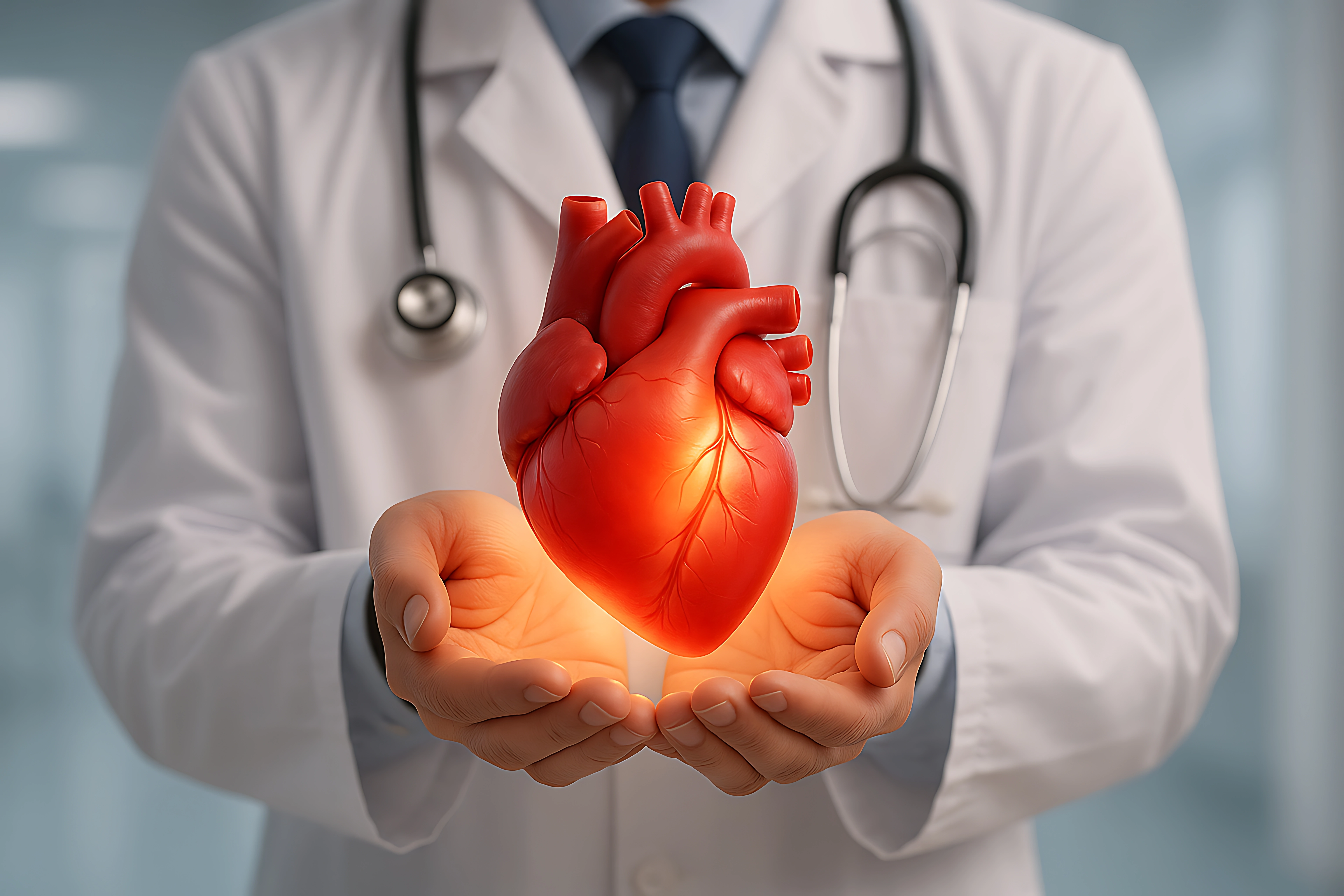
Early intervention can help reduce the risk of heart disease, stroke, and other complications.
Cholesterol & Lipid Management
Elevated cholesterol levels can increase cardiovascular risk by contributing to plaque formation within blood vessels. Monitoring and management are important aspects of preventive cardiology.
Management strategies may focus on:
- Lipid profile evaluation
- Cardiovascular risk assessment
- Lifestyle modification guidance
- Ongoing monitoring
- Individualised treatment planning
Maintaining healthy cholesterol levels supports long-term heart health.
Heart Failure Evaluation & Monitoring
Heart failure requires ongoing assessment and monitoring to optimise heart function and improve quality of life.
Care focuses on:
- Symptom evaluation
- Functional assessment
- Cardiac imaging when required
- Monitoring treatment response
- Long-term follow-up
Structured management helps support better symptom control and clinical outcomes.
Arrhythmia Assessment
Abnormal heart rhythms can affect heart performance and overall wellbeing. Proper evaluation helps determine the nature of the rhythm disturbance and the most appropriate management strategy.
Assessment may involve:
- ECG evaluation
- Holter monitoring
- Clinical assessment
- Symptom correlation
- Ongoing monitoring
Timely evaluation is important for maintaining cardiovascular health.
Preventive Cardiology
Preventive cardiology focuses on identifying cardiovascular risk factors before serious complications occur. Early intervention can significantly improve long-term heart health.
Preventive care may include:
- Cardiovascular screening
- Risk factor assessment
- Blood pressure monitoring
- Cholesterol evaluation
- Lifestyle counselling
- Long-term health planning
The objective is to reduce future cardiovascular risk and support healthier ageing.
Did You Know?
Many cardiovascular conditions can develop silently for years before symptoms become noticeable. Routine heart health assessments may help identify risk factors and early abnormalities before major cardiac events occur.
Cardiac Risk Assessment
Understanding an individual's cardiovascular risk profile helps guide preventive care and treatment planning.
Risk assessment may consider:
- Age
- Family history
- Blood pressure
- Cholesterol levels
- Diabetes status
- Smoking history
- Weight and lifestyle factors
This information helps develop a personalised cardiovascular health strategy.
Post-Heart Attack Follow-Up Care
Patients who have experienced a cardiac event often benefit from ongoing monitoring and structured follow-up.
Follow-up care may include:
- Cardiovascular assessment
- Risk factor management
- Lifestyle counselling
- Medication review
- Functional monitoring
- Long-term preventive planning
Regular follow-up supports recovery and helps reduce future cardiovascular risk.
Senior Cardiac Care
Age-related cardiovascular changes may increase the likelihood of heart-related conditions in older adults. Senior cardiac care focuses on early detection, ongoing monitoring, and personalised management.
Areas of focus include:
- Hypertension monitoring
- Heart rhythm assessment
- Heart failure evaluation
- Cardiovascular risk reduction
- Preventive screening
Common Cardiac Investigations & Their Role
| Investigation | Primary Purpose |
|---|---|
| ECG | Evaluates the electrical activity and rhythm of the heart. |
| 2D Echocardiography | Assesses heart structure, valves, and pumping function. |
| Treadmill Test (TMT) | Evaluates heart performance during physical activity. |
| Holter Monitoring | Records heart rhythm continuously over an extended period. |
| Blood Pressure Monitoring | Supports hypertension diagnosis and long-term management. |
Conditions Commonly Managed
Our Cardiology Department commonly evaluates and manages:
- Hypertension
- Coronary artery disease
- Heart failure
- Arrhythmias
- High cholesterol
- Cardiovascular risk factors
- Heart valve disorders
- Palpitations
- Cardiac symptoms requiring evaluation
- Preventive heart health concerns
Every patient receives a personalised care plan based on their cardiovascular profile and healthcare goals.
Multidisciplinary Cardiac Care
Heart health often requires collaboration between multiple specialties. Our cardiology team works closely with:
- General Medicine
- Diabetology
- Nephrology
- Neurology
- Nutrition & Dietetics
- Emergency & Trauma Care
- Intensive Care Unit (ICU)
- Physiotherapy & Rehabilitation
- Radiology & Imaging
- Laboratory Services
This integrated approach helps support comprehensive cardiovascular care from prevention through long-term management.
Dr. Bharath Kidambi
Consultant Cardiologist
Maintaining heart health requires specialised expertise, accurate assessment, and long-term medical guidance. Whether you are managing high blood pressure, recovering from a cardiac event, or seeking preventive heart screening, personalised cardiovascular care plays an important role in protecting long-term health.
Dr. Bharath Kidambi provides comprehensive cardiac care with a focus on early detection, cardiovascular risk reduction, preventive cardiology, and long-term heart health management. His patient-centred approach emphasises accurate diagnosis, personalised treatment planning, and ongoing monitoring tailored to individual healthcare needs.
By combining clinical expertise with preventive healthcare strategies, he helps patients make informed decisions about their cardiovascular wellbeing and supports them in achieving better long-term heart health outcomes.
Your Cardiology Care Journey
Every patient's cardiovascular health profile is unique. Some individuals seek preventive screening, while others require evaluation for symptoms, risk factors, or existing heart conditions.
Step 1 – Understanding Your Health Concerns
The consultation begins with a detailed discussion about symptoms, medical history, family history, lifestyle factors, medications, and cardiovascular risk factors.
Step 2 – Comprehensive Cardiac Assessment
A structured evaluation helps assess heart health, identify risk factors, and determine whether additional investigations are required.
Step 3 – Personalised Care Planning
Based on the findings, an individualised management plan is developed to address current concerns while supporting long-term cardiovascular wellbeing.
Step 4 – Ongoing Monitoring
Regular follow-up appointments help evaluate progress, monitor treatment effectiveness, and adjust management plans when necessary.
Step 5 – Long-Term Heart Health Support
Cardiology care extends beyond treatment. Continuous monitoring, preventive strategies, and healthy lifestyle guidance help patients maintain cardiovascular wellness over time.
Preparing for Cardiac Investigations
Certain cardiac tests may require specific preparation depending on the type of evaluation being performed.
What You Can Expect
- Medication review
- Fasting requirements (if applicable)
- Physical activity restrictions
- Comfortable clothing for exercise testing
- Previous medical reports
- Procedure-day guidance
Following instructions carefully helps ensure accurate results and a smoother evaluation process.
Heart Care Snapshot
Focus
Accurate diagnosis, cardiovascular risk assessment, and long-term heart health management.
Key Components
- Cardiac evaluation
- Diagnostic investigations
- Risk factor monitoring
- Preventive cardiology
- Follow-up care
- Lifestyle guidance
Goal
To support healthier hearts, reduce cardiovascular risk, and improve long-term wellbeing.
Recovery After Heart-Related Conditions
Recovery following a cardiac event, cardiovascular diagnosis, or treatment often involves ongoing medical supervision and lifestyle adjustments.
Recovery plans may focus on:
- Medication adherence
- Blood pressure monitoring
- Physical activity guidance
- Nutritional improvements
- Follow-up evaluations
- Cardiovascular risk reduction
Every recovery journey is individual, and recommendations are tailored to each patient's health status and clinical needs.
Living Well with Heart Disease
Many individuals with cardiovascular conditions continue to lead active and fulfilling lives through proper medical care and consistent health management.
Successful long-term management often includes:
- Regular health reviews
- Monitoring cardiovascular risk factors
- Following treatment plans
- Maintaining healthy habits
- Seeking timely medical attention when needed
Long-term partnership between patient and healthcare provider is an important aspect of effective cardiac care.
Everyday Habits That Support Heart Health
Small lifestyle changes can have a significant impact on cardiovascular wellbeing over time.
Heart-healthy habits include:
- Regular physical activity
- Balanced nutrition
- Maintaining a healthy weight
- Managing blood pressure
- Controlling blood sugar levels
- Managing blood pressure
- Managing cholesterol
- Stress management
- Adequate sleep
- Avoiding tobacco use
- Limiting excessive alcohol intake
These measures complement medical treatment and support overall cardiovascular health.
Family Support & Cardiovascular Wellness
Family members often play an important role in helping patients maintain healthy routines and adhere to treatment recommendations.
Support from family can include:
- Encouraging healthy lifestyle choices
- Assisting with medication schedules
- Supporting regular health check-ups
- Promoting physical activity
- Helping manage stress
- Recognising warning signs that require medical attention
A supportive environment can contribute positively to long-term heart health outcomes.
Protecting Your Heart for the Future
Heart health is influenced by choices made every day. Preventive healthcare, routine monitoring, and healthy lifestyle habits can help reduce future cardiovascular risk and support healthier ageing.
Long-term heart health planning focuses on:
- Prevention
- Early detection
- Risk factor control
- Ongoing monitoring
- Patient education
- Lifestyle optimisation
Taking proactive steps today can help protect cardiovascular health for years to come.
Frequently Asked Questions
The frequency depends on your age, medical history, cardiovascular risk factors, and existing health conditions. Your cardiologist can recommend an appropriate follow-up schedule.
Many heart conditions develop silently. Individuals with risk factors such as diabetes, hypertension, high cholesterol, obesity, smoking history, or family history of heart disease may benefit from preventive cardiac assessments.
Any persistent, severe, or unexplained chest discomfort should be evaluated promptly by a healthcare professional.
Yes. Uncontrolled hypertension can increase the risk of heart disease, stroke, kidney disease, and other cardiovascular complications over time.
Not all palpitations indicate serious heart disease, but recurring or persistent symptoms should be assessed by a cardiologist to determine the cause.
Yes. Regular exercise, healthy eating, weight management, stress reduction, and avoiding tobacco can contribute significantly to cardiovascular wellbeing./p>
Elevated cholesterol levels can contribute to plaque build-up within arteries, increasing the risk of cardiovascular disease and related complications.
Immediate medical care should be sought for severe chest pain, sudden breathlessness, loss of consciousness, symptoms suggestive of a heart attack, or signs of a stroke.
Related Departments
Our Cardiology Department works closely with:
- General Medicine
- Diabetology
- Nephrology
- Neurology
- Emergency & Trauma Care
- Intensive Care Unit (ICU)
- Nutrition & Dietetics
- Physiotherapy & Rehabilitation
- Radiology & Imaging
- Laboratory Services
This multidisciplinary approach supports comprehensive cardiovascular care and continuity of treatment.
Medical Disclaimer
The information provided on this page is intended for educational purposes only and should not replace professional medical advice, diagnosis, or treatment. Cardiovascular symptoms and conditions require individual medical assessment. Please consult a qualified Cardiologist for personalised guidance. If you experience severe chest pain, sudden breathlessness, symptoms of a heart attack, signs of a stroke, loss of consciousness, or any medical emergency, seek immediate medical attention without delay.
Take the Next Step Towards Better Heart Health
Heart health is one of the most important investments you can make for your future wellbeing. Early evaluation, preventive care, and timely management of cardiovascular risk factors can help reduce complications and support a healthier life.
Whether you are seeking preventive cardiac screening, evaluation of symptoms, management of hypertension, or long-term cardiovascular care, Dr. Bharath Kidambi and the Cardiology team at Deepam Hospitals near Urapakkam are committed to providing comprehensive, patient-focused heart care tailored to your needs.
Schedule your consultation today and take the next step towards better women's health with confidence.
Contact Us