- For appointment (+91) 97904 97905
Best Gastroenterology & Laparoscopy Hospital Near Urapakkam
Expert Care for Digestive Health, Liver Disorders & Gastrointestinal Conditions
The digestive system plays a vital role in overall health by processing food, absorbing nutrients, supporting immunity, and eliminating waste from the body. When digestive organs such as the oesophagus, stomach, intestines, liver, pancreas, or gallbladder do not function properly, they can affect nutrition, energy levels, comfort, and quality of life. Symptoms such as persistent acidity, abdominal pain, bloating, indigestion, altered bowel habits, nausea, or unexplained weight loss should never be ignored, as they may indicate an underlying gastrointestinal condition requiring medical attention.
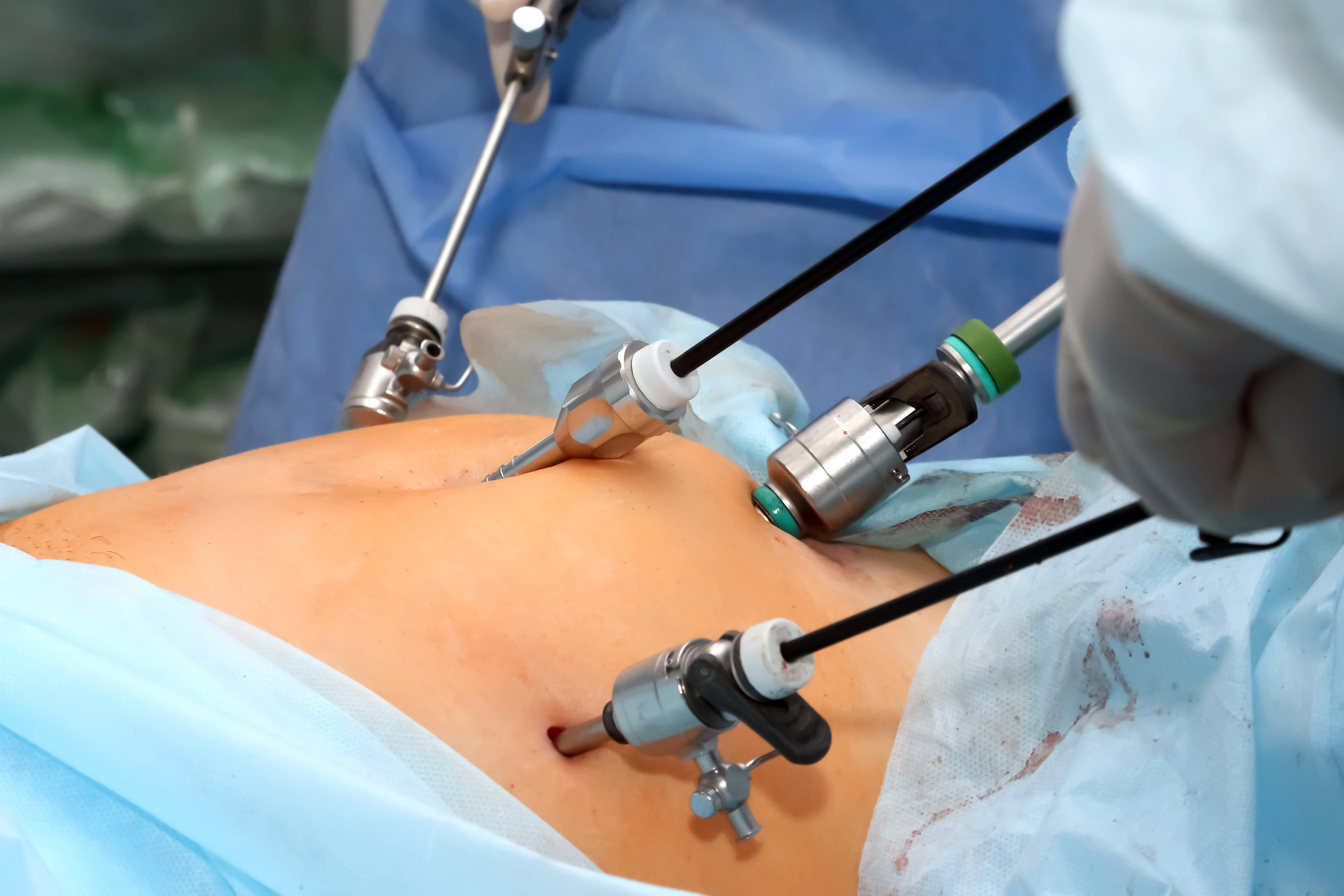
Digestive disorders are among the most common health concerns affecting people of all ages. While some conditions may be temporary and easily managed, others require specialised evaluation, ongoing monitoring, and advanced treatment. Early diagnosis often helps prevent complications and supports better long-term digestive health outcomes.
At Deepam Hospitals near Urapakkam, our Department of Gastroenterology & Laparoscopy provides comprehensive evaluation, diagnosis, treatment, and preventive care for a wide range of gastrointestinal, liver, pancreatic, and hepatobiliary disorders. Our goal is to identify the root cause of symptoms, provide evidence-based treatment, and help patients achieve long-term digestive wellness.
Deepam Hospitals is a trusted healthcare network with multispeciality hospitals in Tambaram, Guduvanchery, and Singaperumal Koil (SP Koil), supported by healthcare centres in Perungalathur, Urapakkam, and Maraimalai Nagar.
The department is led by Dr. B. Mahadevan (MBBS, MD, DM), Consultant in Gastroenterology & Laparoscopy, with expertise in diagnosing and managing a broad spectrum of digestive system disorders. Patients receive personalised care plans tailored to their symptoms, medical history, lifestyle, and long-term health goals, ensuring an individualised approach to digestive healthcare.
Patients from Urapakkam, Kilambakkam, Guduvanchery, Perungalathur, Vandalur, Mannivakkam, Mudichur, Maraimalai Nagar, Tambaram, and surrounding communities trust Deepam Hospitals for expert gastroenterology consultations, advanced diagnostic procedures, digestive health management, and compassionate patient-centred care.
Deepam Hospitals near Urapakkam provides comprehensive Gastroenterology & Laparoscopy services under the care of Dr. B. Mahadevan. Our department specialises in digestive disorders, acid reflux, gastritis, liver diseases, intestinal conditions, endoscopy, colonoscopy, and advanced gastrointestinal care, helping patients achieve better digestive health and improved quality of life.
Quick Answers at a Glance
What Does a Gastroenterologist Treat?
A gastroenterologist diagnoses and manages conditions affecting the digestive system, including disorders of the oesophagus, stomach, intestines, liver, pancreas, gallbladder, and digestive tract.
When Should I See a Gastroenterologist?
Persistent acidity, abdominal pain, bloating, indigestion, constipation, diarrhoea, difficulty swallowing, unexplained weight loss, or changes in bowel habits should be evaluated by a specialist.
What Is Endoscopy?
Endoscopy is a diagnostic procedure that allows doctors to examine the upper digestive tract using a flexible camera-equipped instrument, helping identify the cause of digestive symptoms.
Why Is Colonoscopy Performed?
Colonoscopy helps evaluate the large intestine and rectum for conditions such as polyps, inflammation, bleeding, bowel disorders, and other gastrointestinal concerns.
Can Digestive Disorders Affect Overall Health?
Yes. Digestive problems can impact nutrition, energy levels, immunity, metabolism, and overall wellbeing, making early diagnosis and treatment important.
Are All Digestive Symptoms Serious?
Not every digestive symptom indicates a serious disease, but persistent or recurring symptoms should be assessed to identify underlying causes and prevent complications.
Key Takeaways
- Comprehensive Gastroenterology & Digestive Care
- Consultant Gastroenterologist – Dr. B. Mahadevan
- Evaluation of Digestive System Disorders
- Management of Acid Reflux & Gastritis
- Liver, Gallbladder & Pancreatic Care
- Advanced Endoscopy & Colonoscopy Services
- Personalised Treatment Plans
- Focus on Early Diagnosis & Prevention
- Long-Term Digestive Health Support
- Convenient Access for Patients Near Urapakkam
Why Parents Choose Deepam Hospitals
Digestive symptoms can significantly affect daily life, comfort, nutrition, and long-term health. At Deepam Hospitals, we focus on accurate diagnosis, personalised treatment, and evidence-based digestive healthcare that addresses both symptoms and their underlying causes.
Highlights of Our Gastroenterology Department
- Experienced Gastroenterology Specialist
- Comprehensive Digestive Health Evaluation
- Advanced Endoscopic Assessment
- Personalised Treatment Planning
- Liver & Gastrointestinal Disease Management
- Patient-Focused Clinical Care
- Multidisciplinary Medical Support
- Preventive Digestive Health Approach
- Modern Diagnostic Facilities
- Easily Accessible from Urapakkam
Supporting Better Digestive Health Every Day
Digestive wellness influences nearly every aspect of health, from nutrient absorption and metabolism to immunity and energy levels. Maintaining a healthy digestive system requires timely medical attention, healthy lifestyle choices, and ongoing monitoring when necessary.
Whether you are experiencing occasional digestive discomfort or managing a chronic gastrointestinal condition, specialised gastroenterology care can help identify the cause, relieve symptoms, and improve long-term health outcomes. Our team is committed to helping patients achieve better digestive health through comprehensive evaluation, personalised treatment, and continuous support.
Did You Know?
- Persistent acidity occurring several times a week may indicate gastroesophageal reflux disease (GERD) rather than simple indigestion.
- Many digestive conditions can be identified early through specialised gastrointestinal evaluation and diagnostic procedures.
- Liver disease may develop silently for years before noticeable symptoms appear.
- Not all abdominal pain originates from the stomach; the intestines, gallbladder, pancreas, and liver can also contribute to digestive symptoms.
- Lifestyle habits such as diet, physical activity, stress management, and hydration play an important role in digestive health.
When Should You Consult a Gastroenterologist?
Digestive symptoms that persist, recur frequently, or interfere with daily life should not be ignored. Early evaluation can help identify underlying conditions before they become more complicated.
Consider consulting a gastroenterologist if you experience:
- Frequent acidity or heartburn
- Persistent abdominal pain
- Bloating and excessive gas
- Difficulty swallowing
- Nausea or vomiting
- Chronic constipation
- Persistent diarrhoea
- Blood in stools
- Unexplained weight loss
- Loss of appetite
- Jaundice (yellowing of the skin or eyes)
- Ongoing digestive discomfort
Your Digestive System Deserves Expert Attention
The digestive system works continuously to support overall health and wellbeing. When symptoms develop, timely medical evaluation can make a significant difference in diagnosis, treatment, and recovery.
At Deepam Hospitals near Urapakkam, our Gastroenterology & Laparoscopy Department is dedicated to helping patients understand their symptoms, identify the underlying cause, and receive personalised care aimed at restoring digestive comfort and long-term health.
Related Specialties
Our Gastroenterology & Laparoscopy Department works closely with:
- General Medicine
- Nutrition & Dietetics
- Emergency & Trauma Care
- Radiology & Imaging
- Laboratory Services
- General Surgery
- Diabetology
- Intensive Care Services
This collaborative approach supports comprehensive care for patients with digestive, liver, pancreatic, and gastrointestinal conditions.
Understanding the Digestive System
The digestive system is responsible for breaking down food, absorbing nutrients, processing fluids, and removing waste from the body. It consists of several interconnected organs, including the oesophagus, stomach, small intestine, large intestine, liver, pancreas, gallbladder, and rectum. Each organ plays a specific role in maintaining overall health and supporting normal body functions.
When any part of the digestive system is affected by disease, inflammation, infection, or structural abnormalities, symptoms such as abdominal discomfort, acidity, bloating, altered bowel habits, and digestive disturbances may occur. Understanding how the digestive system works can help patients recognise when medical evaluation may be needed.
Good digestive health helps support:
- Efficient nutrient absorption
- Healthy metabolism
- Strong immunity
- Stable energy levels
- Comfortable digestion
- Normal bowel function
- Overall physical wellbeing
Maintaining digestive health is an important part of preventive healthcare and healthy living.
Common Gastrointestinal Disorders
Digestive disorders can affect people of all ages and may range from mild, temporary conditions to chronic diseases requiring ongoing management. Some conditions develop gradually, while others may present with sudden symptoms.
Common gastrointestinal conditions include:
- Acid reflux (GERD)
- Gastritis
- Peptic ulcer disease
- Irritable bowel syndrome (IBS)
- Inflammatory bowel disease (IBD)
- Constipation
- Chronic diarrhoea
- Gallbladder disorders
- Liver diseases
- Pancreatic disorders
- Gastrointestinal infections
- Digestive tract bleeding
Early identification often improves treatment outcomes and reduces the risk of complications.
Understanding Acid Reflux & GERD
Occasional acidity can occur after eating certain foods or large meals. However, frequent acid reflux may indicate Gastroesophageal Reflux Disease (GERD), a condition in which stomach contents repeatedly flow back into the oesophagus.
Common symptoms include:
- Heartburn
- Acid regurgitation
- Chest discomfort
- Difficulty swallowing
- Chronic throat irritation
- Persistent cough
Long-term reflux symptoms should be assessed by a gastroenterologist to prevent potential complications.
Gastritis & Peptic Ulcer Disease
Gastritis refers to inflammation of the stomach lining, while peptic ulcers are sores that develop in the stomach or upper part of the small intestine. These conditions may occur due to infection, medication use, lifestyle factors, or other underlying causes.
Patients may experience:
- Upper abdominal pain
- Nausea
- Indigestion
- Bloating
- Early fullness after meals
- Loss of appetite
Timely evaluation helps identify the underlying cause and guide appropriate treatment.
Irritable Bowel Syndrome (IBS)
IBS is a common functional digestive disorder that affects the large intestine. Although it does not cause permanent damage to the digestive tract, it can significantly impact daily comfort and quality of life.
Common symptoms include:
- Abdominal discomfort
- Bloating
- Excess gas
- Constipation
- Diarrhoea
- Alternating bowel habits
Because symptoms often overlap with other gastrointestinal conditions, proper evaluation is important to confirm the diagnosis.
Liver, Gallbladder & Pancreatic Health
The liver, gallbladder, and pancreas play essential roles in digestion and metabolism. Conditions affecting these organs may interfere with normal digestive function and overall health.
Examples include:
- Fatty liver disease
- Hepatitis
- Gallstones
- Gallbladder inflammation
- Pancreatitis
- Bile duct disorders
Many liver conditions may remain symptom-free during early stages, making regular medical evaluation important when risk factors are present.
Factors That Can Affect Digestive Health
Digestive disorders may develop due to a combination of lifestyle, dietary, genetic, infectious, and medical factors.
Common risk factors include:
- Unhealthy eating habits
- Excessive alcohol consumption
- Smoking
- Obesity
- Chronic stress
- Sedentary lifestyle
- Family history of digestive diseases
- Long-term medication use
- Infections
- Metabolic disorders
Understanding these risk factors can help individuals make informed choices that support digestive wellness.
Habits That Support Better Digestive Health
Healthy lifestyle practices can help maintain digestive function and reduce the risk of certain gastrointestinal problems.
Helpful habits include:
- Eating balanced meals
- Consuming adequate fibre
- Staying hydrated
- Maintaining a healthy body weight
- Exercising regularly
- Managing stress effectively
- Avoiding tobacco use
- Limiting excessive alcohol intake
- Following medical advice for chronic conditions
Small lifestyle improvements can have a positive impact on digestive health over time.
Warning Signs You Should Not Ignore
While occasional digestive symptoms are common, some symptoms require prompt medical attention and further evaluation.
Seek medical advice if you experience:
- Persistent heartburn
- Difficulty swallowing
- Ongoing abdominal pain
- Blood in stools
- Black stools
- Unexplained weight loss
- Persistent vomiting
- Chronic diarrhoea
- Severe constipation
- Jaundice
- Loss of appetite
- Persistent bloating
These symptoms may indicate an underlying digestive condition that requires specialist assessment.
Digestive Health Snapshot
Early Gastrointestinal Evaluation
Purpose
To identify the underlying cause of digestive symptoms and prevent progression of gastrointestinal disorders.
Who Can Benefit?
- Individuals with persistent digestive complaints
- Patients with recurrent acidity or abdominal discomfort
- Those with a family history of digestive diseases
- Individuals experiencing unexplained weight loss
- People with bowel habit changes
Benefit?
- Early diagnosis
- Better symptom control
- Prevention of complications
- Improved digestive comfort
- Personalised treatment planning
- Enhanced quality of life
Digestive Symptoms & Why Early Evaluation Matters
| Symptom | Why Early Gastroenterology Assessment Is Important |
|---|---|
| Persistent Heartburn | Helps identify GERD and prevent long-term oesophageal complications. |
| Abdominal Pain | Assists in determining the source of digestive discomfort and appropriate management. |
| Difficulty Swallowing | May indicate structural or functional digestive tract abnormalities. |
| Chronic Constipation | Helps identify underlying bowel disorders and improve symptom control. |
| Persistent Diarrhoea | Allows evaluation for infections, inflammatory conditions, or digestive disorders. |
| Blood in Stools | Requires prompt assessment to identify the source of gastrointestinal bleeding. |
| Unexplained Weight Loss | May indicate underlying digestive, metabolic, or systemic disease requiring further investigation. |
Why Early Gastroenterology Consultation Matters
Many digestive disorders can be managed more effectively when diagnosed early. Delaying medical evaluation may allow symptoms to worsen and increase the risk of complications. Early consultation enables specialists to identify the underlying cause, recommend appropriate investigations, and develop a personalised treatment plan.
Early gastroenterology care may help:
- Improve digestive comfort
- Prevent disease progression
- Reduce complications
- Enhance nutritional health
- Improve quality of life
- Support long-term digestive wellness
- Enable timely intervention when needed
Paying attention to persistent digestive symptoms and seeking expert medical advice at the right time can make a significant difference in maintaining digestive health and overall wellbeing.
Comprehensive Gastrointestinal Evaluation
Digestive symptoms can arise from a wide range of conditions affecting the oesophagus, stomach, intestines, liver, pancreas, gallbladder, or biliary system. Accurate diagnosis begins with a detailed assessment of symptoms, medical history, dietary habits, lifestyle factors, and previous health conditions.
Our evaluation process may include:
- Detailed symptom assessment
- Medical and family history review
- Physical examination
- Laboratory investigations
- Diagnostic imaging review
- Endoscopic evaluation when indicated
- Personalised risk assessment
This structured approach helps identify the underlying cause and supports the development of an effective treatment plan.
Diagnostic Upper Gastrointestinal Endoscopy
Upper gastrointestinal endoscopy is an important diagnostic procedure that allows direct visualisation of the oesophagus, stomach, and upper small intestine using a flexible camera-equipped instrument.
Endoscopy may be recommended for:
- Persistent acidity
- Chronic heartburn
- Difficulty swallowing
- Upper abdominal pain
- Recurrent nausea
- Unexplained vomiting
- Suspected ulcers
- Gastrointestinal bleeding
The procedure helps identify abnormalities that may not be visible through routine examinations alone.
Gastroenterology Procedure Snapshot – Endoscopy
Purpose
To examine the upper digestive tract and identify structural or inflammatory abnormalities.
May Help Evaluate
- GERD
- Gastritis
- Ulcers
- Oesophageal disorders
- Upper gastrointestinal bleeding
- Persistent digestive symptoms
May Help Evaluate
- Direct visual assessment
- Accurate diagnosis
- Early detection of abnormalities
- Minimally invasive evaluation
Colonoscopy Services
Colonoscopy is a specialised procedure used to examine the large intestine and rectum. It plays a key role in evaluating bowel-related symptoms and identifying conditions affecting the lower gastrointestinal tract.
Colonoscopy may be considered for:
- Chronic diarrhoea
- Persistent constipation
- Rectal bleeding
- Unexplained abdominal pain
- Inflammatory bowel conditions
- Changes in bowel habits
- Colonic polyps
- Lower gastrointestinal bleeding
The procedure allows detailed examination of the colon while supporting accurate diagnosis and treatment planning.
Management of Acid Reflux & GERD
Frequent acid reflux can significantly affect comfort, sleep quality, and daily activities. Our gastroenterology team provides comprehensive evaluation and management for patients experiencing persistent reflux symptoms.
Care focuses on:
- Symptom assessment
- Identifying contributing factors
- Evaluating severity
- Diagnostic investigations when required
- Long-term symptom control strategies
- Monitoring for complications
Individualised treatment plans are developed according to each patient's clinical needs.
Gastritis & Peptic Ulcer Evaluation
Persistent upper abdominal discomfort may result from inflammation of the stomach lining or ulcer formation within the digestive tract. Proper evaluation helps determine the cause and guide appropriate management.
Assessment may include:
- Clinical evaluation
- Endoscopic examination
- Identification of contributing factors
- Monitoring for complications
- Personalised treatment planning
Early diagnosis can help prevent progression and improve symptom relief.
Irritable Bowel Syndrome (IBS) & Functional Bowel Disorders
Functional gastrointestinal disorders can significantly affect daily life despite the absence of visible structural abnormalities. Careful evaluation helps distinguish IBS from other digestive conditions with similar symptoms.
Management focuses on:
- Symptom pattern assessment
- Identification of triggers
- Dietary review
- Lifestyle modification guidance
- Ongoing monitoring
- Individualised treatment planning
The goal is to improve digestive comfort and overall quality of life.
Liver Disease Assessment & Monitoring
The liver performs hundreds of essential functions, including metabolism, detoxification, and nutrient processing. Many liver conditions progress silently, making early evaluation important for individuals with symptoms or risk factors.
Our liver services include evaluation of:
- Fatty liver disease
- Hepatitis
- Liver inflammation
- Abnormal liver function tests
- Jaundice
- Chronic liver disorders
Comprehensive assessment helps support timely diagnosis and long-term liver health management.
Did You Know?
Many liver diseases remain asymptomatic during their early stages. Routine medical evaluation and liver function assessment may help detect abnormalities before significant liver damage occurs.
Hepatobiliary & Gallbladder Disorders
The hepatobiliary system includes the liver, gallbladder, and bile ducts, all of which play important roles in digestion. Disorders affecting these structures may cause abdominal discomfort, jaundice, digestive disturbances, or abnormal laboratory findings.
Our team evaluates:
- Gallstones
- Gallbladder disorders
- Bile duct abnormalities
- Hepatobiliary diseases
- Obstructive jaundice
- Biliary tract conditions
Early diagnosis helps support appropriate treatment and complication prevention.
Pancreatic Disease Evaluation
The pancreas contributes to both digestion and blood sugar regulation. Pancreatic disorders require careful assessment because symptoms may overlap with other digestive conditions.
Common indications for pancreatic evaluation include:
- Persistent abdominal pain
- Digestive disturbances
- Recurrent pancreatitis
- Abnormal pancreatic imaging
- Unexplained digestive symptoms
Comprehensive evaluation supports accurate diagnosis and treatment planning.
Therapeutic Endoscopy Services
In addition to diagnosis, endoscopy can also be used for therapeutic interventions that help manage specific gastrointestinal conditions without the need for major surgery.
Therapeutic endoscopy may assist with:
- Removal of certain abnormalities
- Control of gastrointestinal bleeding
- Foreign body retrieval
- Tissue sampling
- Endoscopic interventions
The specific procedure depends on the patient's diagnosis and clinical condition.
ERCP (Endoscopic Retrograde Cholangiopancreatography)
ERCP is a specialised procedure used to evaluate and manage selected conditions affecting the bile ducts and pancreatic ducts.
It may be considered in cases involving:
- Bile duct obstruction
- Certain pancreatic disorders
- Biliary tract abnormalities
- Selected hepatobiliary conditions
ERCP combines endoscopic and imaging techniques to support both diagnosis and treatment.
Endoscopic Procedures & Their Role
| Procedure | Primary Purpose |
|---|---|
| Upper GI Endoscopy | Evaluation of the oesophagus, stomach, and upper digestive tract. |
| Colonoscopy | Examination of the large intestine and rectum. |
| Therapeutic Endoscopy | Management of selected gastrointestinal conditions through endoscopic techniques. |
| ERCP | Assessment and treatment of selected bile duct and pancreatic duct disorders. |
Gastrointestinal Bleeding Assessment
Bleeding within the digestive tract can occur for various reasons and may require urgent medical evaluation. Endoscopic procedures often play an important role in identifying the source of bleeding.
Assessment may be required for:
- Vomiting blood
- Black stools
- Blood in stools
- Unexplained anaemia
- Suspected gastrointestinal bleeding
Timely diagnosis is essential to determine the cause and guide appropriate management.
Laparoscopic Gastrointestinal Procedures
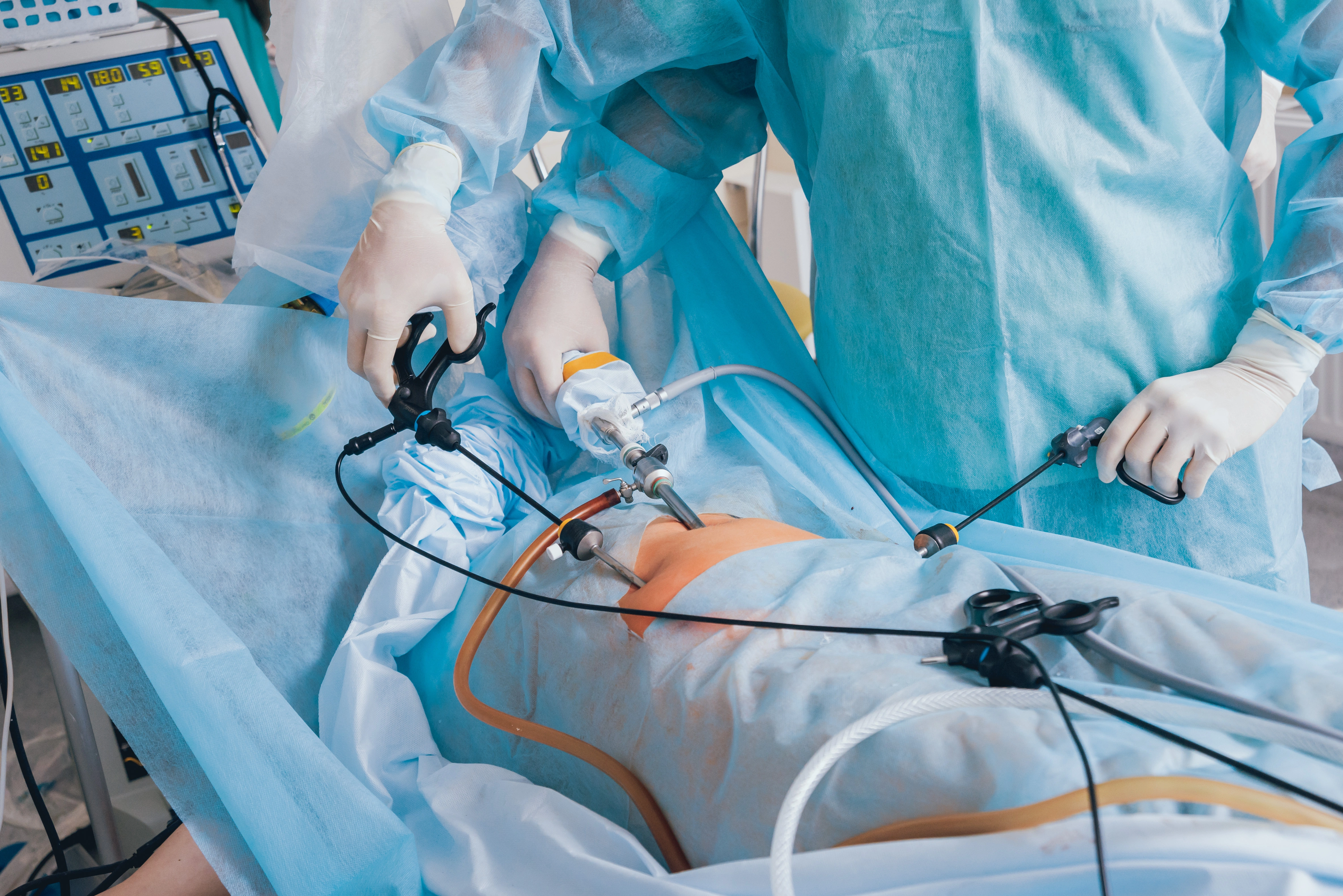
Laparoscopic techniques allow selected gastrointestinal conditions to be managed through minimally invasive surgical approaches using small incisions and specialised instruments.
Potential advantages of laparoscopy may include:
- Smaller incisions
- Reduced tissue trauma
- Faster recovery
- Less post-operative discomfort
- Shorter hospital stay in suitable cases
The suitability of laparoscopic procedures depends on the patient's condition and overall health status.
Conditions We Commonly Evaluate & Manage
Our Department of Gastroenterology & Laparoscopy provides assessment and management for:
- Acid reflux & GERD
- Gastritis
- Peptic ulcer disease
- Irritable bowel syndrome
- Inflammatory bowel disease
- Chronic constipation
- Chronic diarrhoea
- Liver diseases
- Gallbladder disorders
- Pancreatic conditions
- Gastrointestinal bleeding
- Digestive tract abnormalities
- Hepatobiliary disorders
Each patient receives a personalised care plan tailored to their diagnosis and healthcare goals.
Integrated Digestive Healthcare
Many gastrointestinal conditions benefit from collaboration between multiple specialties. Our gastroenterology team works closely with:
- General Medicine
- Nutrition & Dietetics
- General Surgery
- Radiology & Imaging
- Laboratory Medicine
- Emergency & Trauma Care
- Intensive Care Services
- Diabetology
This multidisciplinary approach supports comprehensive digestive healthcare from diagnosis through long-term management.
Dr. B. Mahadevan
Consultant – Gastroenterology & Laparoscopy
Digestive disorders often require careful evaluation, accurate diagnosis, and long-term management tailored to each patient's needs. At Deepam Hospitals, patients receive specialised gastroenterology care designed to address both immediate symptoms and long-term digestive health goals.
Dr. B. Mahadevan is an experienced Gastroenterologist with expertise in diagnosing and managing disorders affecting the digestive system, liver, pancreas, gallbladder, and gastrointestinal tract. His clinical approach focuses on identifying the underlying cause of symptoms, providing evidence-based treatment, and helping patients achieve lasting digestive wellness.
By combining clinical expertise with patient-centred care, he works closely with individuals to develop treatment plans that align with their medical condition, lifestyle, and long-term health objectives.
Your Gastroenterology Care Journey
Every digestive health concern is different. Some patients seek care for persistent acidity, while others require evaluation for complex gastrointestinal or liver conditions. A structured approach helps ensure accurate diagnosis and effective treatment.
Step 1 — Understanding Your Symptoms
The consultation begins with a detailed discussion of your symptoms, medical history, dietary habits, medications, lifestyle factors, and previous digestive health concerns.
Step 2 — Comprehensive Assessment
A thorough clinical evaluation helps identify possible causes of symptoms. When necessary, diagnostic investigations or specialised procedures may be recommended to support accurate diagnosis.
Step 3 — Personalised Treatment Planning
Following assessment, an individualised management plan is developed based on the diagnosis, severity of symptoms, overall health status, and long-term healthcare goals.
Step 4 — Ongoing Monitoring
Many digestive conditions benefit from periodic review. Follow-up appointments help monitor symptom control, assess treatment response, and adjust management plans when required.
Step 5 — Long-Term Digestive Health Support
Beyond treating symptoms, ongoing care focuses on maintaining digestive wellness, preventing complications, and supporting overall health through personalised medical guidance.
Preparing for Gastrointestinal Procedures
Certain diagnostic procedures may require specific preparation to ensure accurate results and patient safety. Preparation instructions vary depending on the procedure being performed.
Patients may receive guidance regarding:
- Dietary adjustments
- Medication review
- Fasting requirements
- Bowel preparation (for selected procedures)
- Procedure-day instructions
- Post-procedure arrangements
Following preparation instructions carefully helps improve the quality and effectiveness of the procedure.
HPatient Care Snapshot
Focus
Accurate diagnosis, effective treatment, and long-term digestive health management.
Key Elements
- Symptom evaluation
- Diagnostic assessment
- Individualised treatment planning
- Follow-up monitoring
- Lifestyle guidance
- Preventive healthcare
Goal
To improve digestive comfort, support recovery, and promote long-term gastrointestinal wellbeing.
Recovery After Endoscopy & Gastrointestinal Procedures
Recovery experiences vary depending on the type of procedure performed and the patient's overall health. Most patients can return to routine activities within a short period, although individual recommendations may differ.
After a procedure, patients should:
- Follow medical advice carefully
- Take prescribed medications as directed
- Attend follow-up appointments
- Monitor symptoms
- Maintain adequate hydration
- Resume activities as advised by the doctor
Prompt communication with the healthcare team is important if unexpected symptoms occur during recovery.
Supporting Better Digestive Health Through Everyday Choices
Daily lifestyle habits play an important role in maintaining digestive wellbeing. Small, consistent changes can help support healthy digestion and overall wellness.
Helpful practices include:
- Eating balanced meals
- Staying hydrated
- Maintaining regular meal timings
- Engaging in physical activity
- Managing stress effectively
- Avoiding excessive alcohol consumption
- Avoiding tobacco use
- Following medical advice for chronic conditions
Healthy habits work alongside medical care to support long-term digestive health.
Looking After Your Liver Health
The liver performs many essential functions, including metabolism, nutrient processing, and detoxification. Supporting liver health is an important part of overall digestive wellness.
General liver health measures include:
- Maintaining a healthy weight
- Limiting alcohol intake
- Following a balanced diet
- Managing diabetes and metabolic conditions
- Attending regular medical reviews when advised
- Seeking evaluation for persistent symptoms
Protecting liver health contributes to better long-term wellbeing.
Long-Term Digestive Wellness
Digestive health is not only about treating disease—it is also about maintaining balance, preventing complications, and supporting healthy body function throughout life.
Long-term digestive wellness focuses on:
- Early medical evaluation when symptoms arise
- Regular follow-up when needed
- Healthy lifestyle habits
- Nutritional wellbeing
- Ongoing symptom monitoring
- Preventive healthcare
- Personalised medical guidance
A proactive approach helps individuals maintain comfort, confidence, and overall health.
Frequently Asked Questions
If digestive symptoms persist, recur frequently, or do not improve with routine treatment, a gastroenterologist can provide specialised evaluation and management.
Persistent acidity, abdominal pain, bloating, constipation, diarrhoea, difficulty swallowing, blood in stools, unexplained weight loss, and jaundice should be assessed by a specialist.
Endoscopy is generally well tolerated. Your doctor will explain the procedure, preparation requirements, and what to expect before and after the examination.
A colonoscopy helps evaluate symptoms such as rectal bleeding, persistent bowel habit changes, chronic diarrhoea, unexplained abdominal pain, and certain lower gastrointestinal conditions.
Some digestive conditions may worsen over time or lead to complications if not properly evaluated and managed. Early diagnosis often improves outcomes.
The frequency of follow-up depends on the specific diagnosis, symptom severity, treatment plan, and overall health condition.
Yes. Balanced nutrition, adequate hydration, regular exercise, stress management, and healthy lifestyle habits can support digestive wellbeing and complement medical treatment.
Immediate medical care may be necessary if you experience severe abdominal pain, persistent vomiting, vomiting blood, black stools, significant rectal bleeding, or sudden worsening of symptoms.
Related Departments
For comprehensive healthcare support, patients may also benefit from our:
- General Medicine
- Nutrition & Dietetics
- General Surgery
- Emergency & Trauma Care
- Intensive Care Unit (ICU)
- Radiology & Imaging
- Laboratory Services
- Diabetology
Medical Disclaimer
The information provided on this page is intended for educational purposes only and should not replace professional medical advice, diagnosis, or treatment. Digestive symptoms can have multiple causes and require individual assessment. Please consult a qualified Gastroenterologist for personalised medical guidance. If you experience severe abdominal pain, vomiting blood, black stools, significant rectal bleeding, persistent vomiting, jaundice, or any medical emergency, seek immediate medical attention without delay.
Take Control of Your Digestive Health
Persistent digestive symptoms should not be ignored. Early evaluation can help identify underlying conditions, improve symptom control, and support better long-term health outcomes.
Whether you are seeking answers for ongoing digestive discomfort, liver-related concerns, bowel symptoms, or specialised gastrointestinal evaluation, Dr. B. Mahadevan and the team at Deepam Hospitals near Urapakkam are committed to providing personalised gastroenterology care focused on accurate diagnosis, effective treatment, and long-term digestive wellness.
Book a consultation today to take the next step towards better digestive health and improved quality of life.
Contact Us